Audio engineering looks like knob-twiddling until you try it, and then you discover it is a stack of distinct crafts: understanding sound, capturing it, blending it, and finishing it. Beginners who dive into mixing tutorials before they can get a clean recording end up polishing bad material.
This path moves through the signal chain in the order the sound itself travels. You learn how sound and music work, how to record well, how to mix, and finally how to master.
Understand sound and the studio
Start wide. How Music Works by David Byrne is not a technical manual but a superb primer on why music sounds the way it does in real spaces and technologies — great context before the gear. Then get practical with The Musician's Guide to Home Recording, which orients you to a working setup, and Modern Recording Techniques, a comprehensive reference that maps the whole field.
Capture and record well
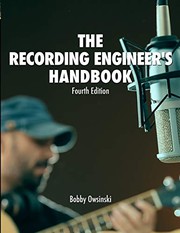
Recording quality is decided at the microphone. Microphone Theory and Application explains what mics do and how to place them, and The Recording Engineer's Handbook 4th Edition turns that into practical tracking technique for real instruments and voices. Get these right and the mix is half done before you start.
Mix, then master
Now blend. The Mixing Engineer's Handbook is the standard road map for building a mix that translates, and Mixing secrets for the small studio is the essential companion for anyone working in an untreated room on a budget — arguably the most useful mixing book for beginners. The art of mixing adds a visual, spatial way of thinking about the stereo field.
Finally, finish the record. Mastering Audio by Bob Katz is the deep, principled treatment of the last stage, and The mastering engineer's handbook gives a more hands-on tour of the tools and decisions involved.
Books teach the concepts; critical listening on trusted speakers is what builds the skill. Follow the full path in order and each craft lands on the one before it.
Follow the full reading path →
Ready to learn something deeply?
Build a reading path — free