Start with Wonder Boys. The obvious recommendation is The Amazing Adventures of Kavalier & Clay, and it is the better book — the Pulitzer winner, the one he will be remembered for. It is also 650 pages, and asking a new reader to commit to that before they know whether they like the prose is a bad bet.
Wonder Boys is half the length and does the same job. A blocked novelist with a 2,000-page manuscript, a lost weekend in Pittsburgh, a stolen car, a dead dog and a student who lies compulsively. It is the funniest thing Chabon has written, the plot actually moves, and every page carries the loose, generous, comma-spliced sentence-making that is the whole reason to read him. Finish it in a week and you will know exactly whether to take on the big one.
The major work
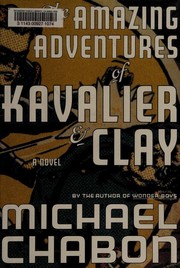
The Amazing Adventures of Kavalier & Clay goes second. Two Jewish cousins invent a comic-book superhero in New York in 1939 while one of them tries to get his family out of Prague. It is a novel about escape in every sense the word carries, and it earns its length. If you only ever read one Chabon, this is the one — the sequencing here is about making sure you actually finish it.
The debut
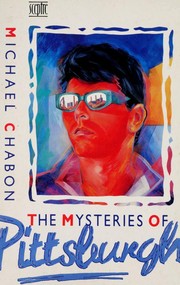
The Mysteries of Pittsburgh was written as his master's thesis and published when he was twenty-four. It is a summer-after-college novel, slight, sweet and much more conventional than anything after it. Read it third, as a curiosity, or not at all. Nothing depends on it.
The genre period
Chabon spent a decade openly arguing that the line between literary and genre fiction was a nuisance, and then wrote three books to prove it.
The Final Solution is a novella in which an unnamed elderly beekeeper — recognisably Sherlock Holmes, never named — investigates a case involving a mute Jewish refugee boy in 1944. It is 130 pages and close to perfect. Gentlemen of the road, published as Gentlemen of the Road: A Tale of Adventure, is a deliberately old-fashioned swashbuckler set among tenth-century Khazars, written in short instalments; it is a lark and it does not pretend otherwise. The Yiddish Policemen's Union is the substantial one: a hard-boiled detective novel set in an alternate present where Jewish refugees were settled in Alaska rather than Israel. It won the Hugo and the Nebula, and the alternate-history conceit is worked out down to the slang. Some readers find the Yiddish-inflected noir voice tiring across 400 pages. Most find it the most inventive thing he has done.
The late novel and the essays
Moonglow presents itself as a memoir assembled from a dying grandfather's deathbed confessions — rocketry, the war, a marriage held together around a mental illness — and is a novel throughout, though it never quite lets you forget the question. It is his most emotionally direct book.
Maps and legends is the essay collection making the genre argument, and it is the best short statement of what he thinks fiction is for. Manhood for amateurs collects short personal pieces on fatherhood, marriage and being a son; it is warmer and less programmatic. Either can be read at any point.
One novel is missing from this list and its absence should be stated plainly: Telegraph Avenue, from 2012, is not in our catalogue. It is also the book most readers bounce off — a long, densely referential novel about a used-record shop in Oakland — so its absence here is not much of a loss.
Where to stop
Wonder Boys, The Amazing Adventures of Kavalier & Clay and The Yiddish Policemen's Union are the complete case for Chabon: the comic novel, the great one, and the genre experiment that worked. Add The Final Solution because it takes an evening. Everything else is for people who already know they want more. More literary reading paths are on Discover.
Follow the full reading path →