Medieval art is a subject where the physical object you buy matters more than in almost any other. A manuscript page is gold leaf and pigment at a scale of millimetres, so a survey with sixty small reproductions teaches you something quite different from a large-format volume with full-page plates. Before ordering anything it is worth knowing whether a title is a paperback survey, a plate-led monograph on a single object, a glossary, or an argument with almost no pictures at all.
The second thing worth knowing in advance is that two of the most famous books here are interpretive theses from the 1950s that specialists have argued over ever since. They are still worth reading. They are not neutral introductions.
The surveys
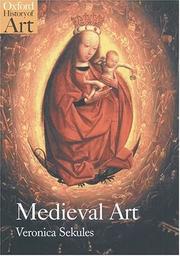
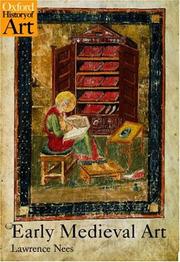
Medieval art by Veronica Sekules is a paperback survey organised by theme rather than chronology, with modest but well-chosen illustrations. It is a good frame for a period that otherwise dissolves into undifferentiated centuries. Early medieval art by Lawrence Nees is the companion volume covering roughly the years 300 to 1100, and it is unusually good on the fact that the period had no single centre and no single style.
Manuscripts, and how to look at them
The entry point for illumination is Meetings with Remarkable Manuscripts by Christopher de Hamel. It is a large, lavishly illustrated book in which he visits twelve manuscripts in the libraries that hold them and describes what he sees, page by page. It beats starting with a survey because it teaches attention: what a ruling line, a repaired hole in the parchment or a change of hand actually tells you.
Three very different companions follow. Understanding illuminated manuscripts by Michelle Brown is a small illustrated glossary of terms, from bestiary to quire to underdrawing, meant to sit beside you rather than be read through. Scribes and illuminators, also by de Hamel, is a slim volume on how the books were physically made, covering parchment, ink, gold and the workshop. A history of illuminated manuscripts is his full chronological survey, organised by the kinds of books people actually owned, and it is the one to own if you own only one.
Then two monographs on single objects, both plate-led. The Book of Kells by Bernard Meehan comes from the library that holds the manuscript and reproduces pages at a size where the ornament is legible. Painted Prayers by Roger Wieck is about the book of hours, the medieval bestseller, and is likewise built around its plates rather than its text.
Romanesque and Gothic
Romanesque art by Meyer Schapiro is a collection of dense scholarly essays with sparse illustration. It is argument rather than introduction and rewards reading after the surveys. Gothic Art by Michael Camille is the opposite: a well-illustrated survey that treats the period as a culture rather than a style.
The two contested classics come next. The Gothic cathedral by Otto von Simson argues that Gothic form embodies a medieval metaphysics of light and proportion. Gothic architecture and scholasticism by Erwin Panofsky is a lecture of about a hundred pages proposing that cathedral design and scholastic argument shared one habit of mind. Both have been criticised for reading intellectual history onto buildings whose builders left no such statement, and neither has been dislodged. Read them as living positions in an argument, not as settled accounts.
Camille wrote the last two as well. Image on the Edge is a short illustrated study of marginalia, the monkeys and grotesques and obscenities in the margins of devotional books, and it is the most enjoyable book on this list. The Gothic Idol is his heavy scholarly monograph on idolatry and the depiction of outsiders, and it belongs last because it assumes everything before it.
The path keeps this order, so you learn to look before you are asked to argue.
Follow the full ordered path here: Medieval Art and Illuminated Manuscripts: The Best Books to Read, in Order.