Classical art has an unusually well-developed publishing tradition, which is good news and a trap. The good news is that the surveys are excellent and the illustrations are generally decent. The trap is that the field also produces argumentative interpretive books that assume you already know the objects, and those books are often the most highly praised — so a newcomer picks up the celebrated one, meets a sustained argument about reception and modern museum-making, and never gets a chronology.
There is also a plain naming problem. Two separate books on this list are titled Roman art, by different authors, and they are completely different objects: one is a full undergraduate course textbook, the other a short thematic study by a leading scholar. Knowing what arrives in the post is half of choosing well.
The entry point, and what to skip at first
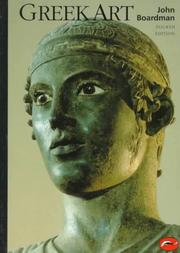
Start with Greek art by John Boardman, the World of Art survey. It is compact, chronological, densely illustrated and written by the scholar who spent a career on Greek vases and sculpture. It gives you the sequence — Geometric, Archaic, Classical, Hellenistic — which everything else assumes.
The obvious alternative is Classical art by Mary Beard and John Henderson, in the Oxford History of Art series, and it is a superb book that makes a poor first one. It is deliberately not a survey: it is about how classical art was collected, restored, copied and made to mean things, and it argues with the standard narrative. Read it third or fourth, when there is a narrative for it to argue with.
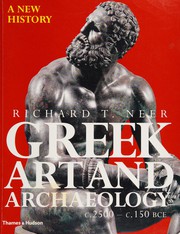
Then step up to Greek art and archaeology by Richard T. Neer, a large illustrated university textbook that sets objects in their archaeological contexts rather than treating them as a parade of masterpieces. It costs more and weighs more, and it is the best single volume here.
Sculpture, vases, and Rome
Understanding Greek sculpture by Nigel Spivey is interpretive rather than catalogue-like: it asks what the statues were for, in religion, athletics and burial. Greek sculpture by Andrew Stewart is the scholarly reference — thorough, source-driven and not something you read straight through. Athenian red figure vases by Boardman is a handbook: painter by painter, workshop by workshop, and genuinely useful when you are standing in a gallery.
For Rome, choose deliberately. Roman art by Nancy H. Ramage and Andrew Ramage is the standard teaching textbook — chronological, comprehensive, exam-shaped. A History of Roman Art by Fred S. Kleiner is its main rival and comes from the author of the best-known general art history textbook, so it has the same clear structure. Buy one, not both. Roman art by Paul Zanker is a different animal: a shorter, thematic Getty volume by the scholar who changed how Roman imagery is read.
Architecture, and the arguments worth reading
Greek architecture by A. W. Lawrence is the Pelican History of Art volume: authoritative, dry and technical about plans, orders and construction. Roman architecture by Frank Sear is the comparable Roman survey and a good deal more approachable. The Parthenon by Mary Beard is short and covers the building's entire life, including the marbles dispute, which she presents as a live argument rather than settling.
Save The power of images in the Age of Augustus by Paul Zanker for late. It is the landmark monograph of the field — an argument that Augustus reshaped Rome through a coherent visual programme — and it repays you only when you already recognise the coins, altars and portrait types it moves through. Imperial Rome and Christian triumph by Jaś Elsner carries you into late antiquity, where the classical style is transformed rather than simply lost.
Follow the full ordering and you get the chronology first and the arguments once you can weigh them.
Follow the full ordered path here: Ancient Greek and Roman Art: The Best Books to Read First.