Mediation is a distinct skill from being persuasive or likable: a mediator helps other people reach their own resolution without imposing one, which demands rigorous neutrality and process discipline. Newcomers often study negotiation as if they will be a party to the dispute, when the real job is guiding people who are, and the mindset shift matters.
The order that works builds negotiation and difficult-conversation skills as a foundation, then moves into the mediation process and practice models, and finishes with the theory and ethics that make you a professional rather than an enthusiastic amateur. These books build real capability, but many mediation roles require accredited training, certification, and supervised practice, and the reading supports that path.
Foundations in negotiation and conversation
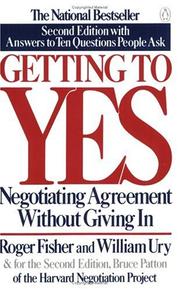
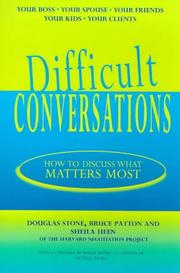
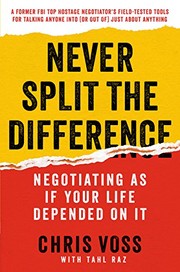
Start with the underlying skills. Getting to yes by Roger Fisher is the foundational text on principled negotiation, separating people from problems and interests from positions — the vocabulary the whole field runs on. Difficult Conversations by Douglas Stone teaches how to handle emotionally charged exchanges, and Never Split the Difference by Chris Voss and Crucial Conversations by Kerry Patterson add practical techniques for high-stakes talks. Together they give you fluency in the dynamics you will later help others manage.
The mediation process
Next, learn the craft itself. The Anatomy of Peace by the Arbinger Institute reframes conflict at the level of mindset, a valuable shift before you learn technique. The mediator's handbook by Jennifer Beer is the practical, widely used guide to actually running a mediation session step by step, and Mediation by Kimberlee Kovach is the fuller treatment of process and skills. This is where you stop thinking like a negotiator and start thinking like a neutral third party.
Theory, practice, and ethics
The final arc grounds you as a professional. The promise of mediation by Robert Baruch Bush presents the influential transformative model, deepening your sense of what mediation can be. Dispute resolution by Stephen Goldberg is the comprehensive survey of the whole field, from arbitration to negotiation, useful for understanding where mediation fits. And Mediation Ethics by Ellen Waldman confronts the hard ethical dilemmas — confidentiality, neutrality, power imbalances — that every practicing mediator eventually faces.
Read in this order and mediation becomes a teachable, principled profession rather than a personality trait. Follow the full path, then pursue the accredited training and certification your jurisdiction or practice area expects before taking on real cases.
Follow the full reading path →
Ready to learn something deeply?
Build a reading path — free