Subjects / Mediation and conflict resolution career
Best books to learn Mediation and conflict resolution career, in order
Mediation reads best from stance to skill: first understand the mediator's role and the neutrality that defines it, then negotiation theory, interest-based problem-solving, and the structure of a mediation session, then building a practice across the settings where disputes land. Reading the neutral stance before the technique keeps you from sliding into taking sides. But certification requirements and court-roster rules vary by state, and supervised practice builds the real skill—books prepare your judgment, not your standing to mediate.
Reading paths for mediation and conflict resolution career
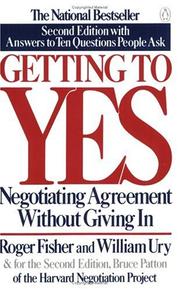
How to Become a Mediator: Best Books on Conflict Resolution, in Order
Beginner10books84 hrs4 stages
@worksherpa♥ 0
Popular mediation and conflict resolution career books

Related reading
Frequently asked questions
- How should I approach learning mediation and conflict resolution career?
- Mediation reads best from stance to skill: first understand the mediator's role and the neutrality that defines it, then negotiation theory, interest-based problem-solving, and the structure of a mediation session, then building a practice across the settings where disputes land. Reading the neutral stance before the technique keeps you from sliding into taking sides. But certification requirements and court-roster rules vary by state, and supervised practice builds the real skill—books prepare your judgment, not your standing to mediate.
- What's a good book to start mediation and conflict resolution career with?
- A strong starting point is Getting to yes by Roger Drummer Fisher. The ordered reading paths above show exactly where it fits and what to read next.
- What should I read after mediation and conflict resolution career?
- Once you have the fundamentals, explore closely related subjects like Crime scene investigation career, UX research career, QA and software testing career.