Crime scene investigation looks glamorous on television and is meticulous in reality: it is patient documentation, chain-of-custody discipline, and science that has to survive cross-examination. The reading trap is jumping straight into dense criminalistics textbooks before you understand what the job feels like or why each procedure exists.
A better order starts with the story of the field, moves into the standard textbooks that agencies actually train from, and finishes with the technical references specialists reach for. Books here are a foundation and a way to test your interest; they do not replace the accredited training, certifications, and hands-on academy work that real casework requires.
Fall for the field first
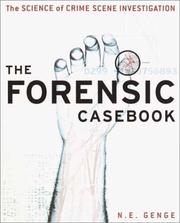
Start with the sweep of the discipline. Forensics by Val McDermid is a lively tour of how forensic science actually solves cases, from entomology to digital traces, and it makes the stakes vivid. The Forensic Casebook walks through the day-to-day realities of scene work in plain language, giving you a grounded sense of the workflow. Crime scene investigation by Michael Braswell then formalizes that picture into the phases of a proper investigation, so you see the structure beneath the stories.
The core textbooks
This is where you learn the science the way academies teach it. Criminalistics An Introduction to Forensic Science is the standard survey used in college courses, covering everything from trace evidence to toxicology, and it is the single most important book on this path. The Fingerprint Sourcebook, published by the U.S. Department of Justice, is the authoritative reference on friction-ridge analysis, and Bloodstain pattern analysis with an introduction to crime scene reconstruction teaches one of the most demanding specialties, showing how spatter and geometry reconstruct what happened. Together they take you from broad literacy to specific, testable technique.
Reference and specialization
The last arc rounds out the practical picture. Cause of Death: A Writer's Guide to Death, Murder & Forensic Medicine is an accessible primer on forensic pathology and manners of death, useful for understanding what the medical examiner contributes. Strengthening forensic science in the United States, the landmark National Research Council report, is essential reading on the field's limits and reform — it will make you a more careful, honest investigator. Finally, The Forensic Examiner by Henry C. Lee draws on one of the most famous careers in the field to show how expertise, integrity, and courtroom credibility come together.
Read in this order and crime scene investigation stops being a TV trope and becomes a rigorous, learnable craft. Use the full path as your study spine, then pair it with an accredited program, agency training, and the certifications your jurisdiction requires.
Follow the full reading path →
Ready to learn something deeply?
Build a reading path — free