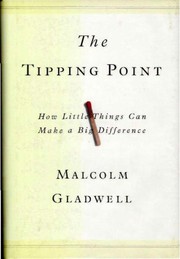
Start with The Tipping Point. It is the 2000 debut, it is the book that established the formula every later one runs on, and it is the one the rest of the career keeps arguing with — including in the final book on this path, which revises it directly.
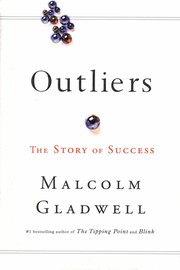
The alternative most people reach for is Outliers, because the ten-thousand-hours idea escaped into general conversation and is the thing readers have heard of. Starting there gives you the most quoted Gladwell and the least useful one, since the argument is a variation on a method you have not met yet. Read the debut first and Outliers becomes a case study in how the method works rather than a standalone claim about talent.
One instruction that matters more than the order: slow down artificially. These books run 250 to 350 pages of deliberately frictionless prose and most people finish one in two or three sittings, which is the hazard. Read a chapter a sitting and stop at the end of each to say out loud what was actually demonstrated versus what was asserted. If you find yourself agreeing while reading, you are going too fast.
The two that set the formula
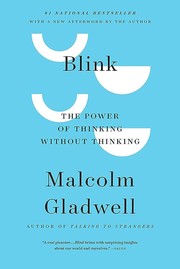
The Tipping Point and Blink, about two weeks for both. The first builds a theory of social epidemics out of connectors, mavens and salesmen; the second argues for the accuracy of rapid, unconscious judgement. Both have been contested at length by researchers, and Blink in particular has drawn sustained criticism for the strength of its claims relative to the evidence. That is a live argument rather than a settled verdict, and reading these two as arguments to be tested is the correct posture.
The big middle
Outliers and David and Goliath are around 300 pages each and should be read back to back, because David and Goliath argues almost the opposite direction about advantage — the pair is more informative than either alone. The ten-thousand-hours claim in Outliers comes from Anders Ericsson's research on deliberate practice, and Ericsson publicly objected that the book flattened his findings into a rule he had never proposed. Read it knowing that.
What the dog saw and other adventure stories is a different animal: 400-plus pages of collected New Yorker pieces with no through-argument. Reading it straight through is a mistake. Take one essay a sitting over a fortnight and use it as the gap between the two thesis books.
The later books
Talking to Strangers is around 350 pages, is built on a death in police custody, and reads slowly for that reason. Do not treat it as an airport book. The Bomber Mafia is short, roughly 200 pages of Second World War air-power history, and works best in two sittings — it is the least Gladwell-shaped book here and the one his critics tend to like most.
Revenge of the Tipping Point must come last. It is explicitly a sequel that revises the first book, and reading it early spoils the original's arguments before you have had a chance to weigh them.
Where to stop
If eight books is more than you want, three will do: The Tipping Point, Outliers and Revenge of the Tipping Point. That is the thesis, its most famous application, and the author's own retraction and revision twenty-four years later, which is a more interesting sequence than any three of the middle books. Other argument-driven nonfiction paths sit on the reading paths index.
Follow the full ordered path here: Best Malcolm Gladwell Books, in Reading Order.
Ready to learn something deeply?
Build a reading path — free