Almost everyone enters long-term partnership with strong opinions and zero training. We inherit our models from parents and movies, then act surprised when the same fights repeat for a decade. Meanwhile, there is an actual research literature on what makes couples last, built on thousands of observed relationships, and most of it fits in a handful of books.
Order matters because relationship books come in layers: what predicts success, why you in particular react the way you do, and how to change the patterns. Read a technique book before understanding your own attachment wiring and the techniques will not survive your first real conflict.
Stage 1: what the research actually says
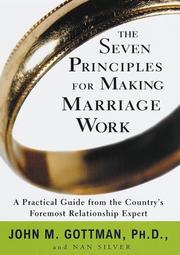
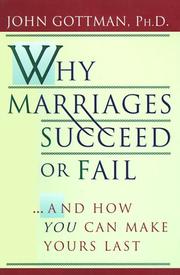
Start with The Seven Principles for Making Marriage Work by John Gottman, the researcher who famously observed couples in his lab and identified the interaction patterns, criticism, contempt, defensiveness, stonewalling, that predict divorce with unsettling accuracy. It is the closest thing this field has to a foundational text, and it is practical on every page. If you want the research story underneath it, Why Marriages Succeed or Fail is Gottman's earlier account of the lab work itself.
Stage 2: understand your wiring
Then read Attached by Amir Levine, the accessible introduction to adult attachment theory: anxious, avoidant, and secure styles, and how they pair up. Most readers experience one loud moment of recognition, either about themselves or their partner. Follow it with Hold Me Tight by Sue Johnson, the founder of Emotionally Focused Therapy, which reframes recurring fights as protests against disconnection, and provides the conversations that de-escalate them. Johnson's method has some of the strongest outcome evidence in couples therapy.
Stage 3: the hard skills and the hard questions
Crucial Conversations by Kerry Patterson is not a marriage book, and that is why it earns its slot: it teaches the mechanics of high-stakes disagreement, staying in dialogue when adrenaline says otherwise, that every couple needs and few possess. Then let Mating in Captivity by Esther Perel complicate things productively. Perel argues that desire needs distance and novelty, the very things domestic intimacy erodes, and her perspective is a deliberate counterweight to the security-focused books before it. The tension between Johnson and Perel is not a flaw in this path; it is the syllabus.
Add Come As You Are by Emily Nagoski for the science of sexuality, particularly responsive desire, which quietly resolves anxieties in an enormous number of long-term couples. Finish with The All-or-Nothing Marriage by Eli Finkel, a sharp analysis of why modern marriage is harder than ever, we now ask one person to be lover, best friend, and growth partner, and what realistic recalibration looks like.
How to actually study this
These books only work as practice, ideally shared. Read one chapter at a time and try exactly one thing per week: a Gottman-style repair attempt, a Hold Me Tight conversation, a genuine appreciation said out loud. If your partner will not read along, summarize over dinner; the research consistently favors small repeated behaviors over grand gestures. And if you are in real distress, a good couples therapist accelerates everything these books describe.
The full reading path stages all ten books with study plans. See related paths at the marriage hub, or browse Discover.