Most dating advice is tactics: what to text, when to define the relationship, how to optimize a profile. It fails because the real problems sit underneath — the patterns you bring into every connection, the criteria you use to choose people, and the communication habits that make good matches go bad. Fix those in order and the tactics mostly take care of themselves.
Modern Dating Books: A Reading Path to Date Smarter
July 11, 2026 · 2 min read
Why order matters here
Self-knowledge has to come first, because until you can see your own patterns, every dating experience just confirms your existing story. Choosing well comes second — skills applied to the wrong person are wasted. Communication and repair skills come third, because they matter most once there is something real to protect. Read this path backwards and you get a skilled communicator repeating the same doomed selection process.
The path, stage by stage
Start with your patterns. Attached by Amir Levine is the accessible standard on attachment styles — why some people cling, some flee, and some combinations reliably produce misery. Its framework is a simplification of a rich research field, but as a first lens on your own behavior it is unmatched. Pair it with Adult Children of Emotionally Immature Parents by Lindsay Gibson if your patterns trace back further; many readers find it names dynamics they have carried for decades.
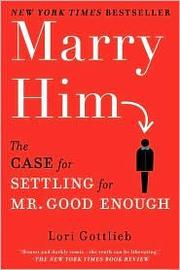
Then fix your picker. How to Not Die Alone by Logan Ury applies behavioral science to dating's real decision errors — overweighting spark, dismissing slow burns, letting apps train you to shop rather than connect. Marry Him by Lori Gottlieb is the deliberately provocative companion: an argument about compatibility versus checklist maximalism that you may not fully agree with, but which sharpens exactly the question worth asking.
Now build the skills. Nonviolent Communication by Marshall Rosenberg teaches the fundamental move — expressing needs without attack, hearing complaints without collapse — that underlies every healthy conflict. Crucial Conversations by Kerry Patterson covers the high-stakes talks (exclusivity, money, futures) where relationships are actually defined.
Finish with what makes it last. Hold Me Tight by Sue Johnson translates attachment science into the repair conversations that pull couples out of negative cycles. The Seven Principles for Making Marriage Work by John Gottman distills decades of observational research into what stable couples actually do differently — worth reading even while single, because it tells you what you are selecting for. Go deeper with Mating in Captivity by Esther Perel on the real tension between security and desire.
All ten books, staged with study plans, are in the full reading path.
How to actually study this
This subject only changes you if you connect it to your own history. After the attachment stage, write out your last two or three significant relationships through that lens — where you pursued, where you withdrew, what triggered each. After the choosing stage, list what you actually selected for versus what mattered five years in. Practice the communication skills in low-stakes settings first; friends and family generously provide opportunities. One honest caveat: books are not therapy, and if your patterns feel entrenched or trace to real trauma, a good therapist multiplies everything here.
Start at the dating hub, or browse related paths on emotional intelligence when you are ready to widen the lens.
FAQ
- What is the best book on modern dating?
- How to Not Die Alone by Logan Ury for the dating process itself, but read Attached first — knowing your attachment pattern makes every other book more useful.
- Do attachment styles really matter in dating?
- Yes, as a first lens — the anxious-avoidant dynamic in particular explains a lot of recurring pain. Treat styles as tendencies to work with, not fixed labels.
- Can relationship books actually help?
- They reliably improve self-awareness and communication skills. For entrenched patterns or past trauma, they work best alongside a therapist, not instead of one.
Get the books
- 1AttachedAmazon ↗Amir Levine
- 2Adult children of emotionally immature parentsAmazon ↗Lindsay C. Gibson
- 3Marry himAmazon ↗Lori Gottlieb
- 4How to Not Die AloneAmazon ↗Logan Ury
- 5Nonviolent CommunicationAmazon ↗Marshall B. Rosenberg
- 6Crucial ConversationsAmazon ↗Kerry Patterson
As an Amazon Associate we earn from qualifying purchases. Some book links are affiliate links; you pay the same price and we may earn a small commission.
Follow the full reading path


Date smarter: modern relationships
Beginner10books72 hrs4 stages
@wellsherpa♥ 0
Ready to learn something deeply?
Build a reading path — free