Making friends at 8 or 18 is nearly automatic: school and college supply the three conditions friendship needs — proximity, repetition, and unguarded time. Adult life quietly removes all three, then makes you feel personally defective for the result. You're not. Friendship after 30 is a genuine skill problem operating inside a genuine structural problem, and the good news is that both halves have been studied carefully. The reading order matters because the structural story explains why the skills are necessary at all.
How to Make Friends as an Adult: A Reading Path That Works
July 11, 2026 · 2 min read
Why order matters here
Jump straight to a friendship how-to and the advice feels needy or contrived. Understand the epidemiology and biology of connection first, and the same advice reads as what it is: deliberate maintenance of something civilization used to do for you.
Stage 1: The big picture
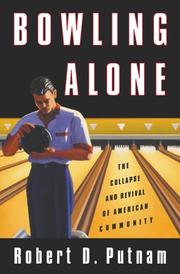
Start with Bowling Alone by Robert Putnam, the landmark account of how American community life — clubs, leagues, congregations — eroded over half a century. You'll stop treating your empty social calendar as a personal failing and start seeing the structural drift. It's long; the opening chapters and the data on informal socializing carry most of the value.
Stage 2: The science of connection
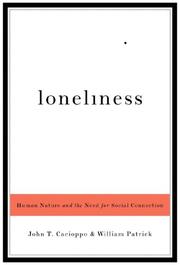
Friendship by Lydia Denworth covers the biology and evolution of friendship — why it's a survival system, not a luxury, and what "close" actually requires (hint: hours, and lots of them). Then Loneliness by John Cacioppo, the researcher who put loneliness on the scientific map: chronic disconnection changes cognition and health the way hunger signals missing food. Together by Vivek Murthy, a former U.S. Surgeon General, frames the same evidence as a public-health case and adds a warmer, practice-oriented lens. After this stage you'll treat friendship maintenance the way you treat exercise — non-optional.
Stage 3: The playbook
Now the how. Frientimacy by Shasta Nelson gives the clearest working model in the genre: friendship deepens through consistency, positivity, and vulnerability, in that order, and most "I have no close friends" problems are consistency problems. The Relationship Cure by John Gottman brings his research on bids for connection — the small turn-toward moments that quietly build or erode every relationship, friendships included. Then The Art of Gathering by Priya Parker, which upgrades you from attending community to creating it: how to host anything, from a dinner to a club, with actual intention.
Stage 4: Keeping and building
Big Friendship by Aminatou Sow and Ann Friedman is an honest chronicle of one long friendship's near-collapse and repair — useful because almost nothing else in print treats friend conflict as worth working through. Close with Find Your People by Jennie Allen, a practical push toward proximity and commitment; it's written from a Christian frame, so translate its community structures to your own context as needed.
How to actually study this
This path fails as pure reading. After stage two, list five people you'd like more of and schedule one recurring thing — the research is unambiguous that repetition beats intensity. While reading stage three, make one bid for connection a day and host one small gathering before you finish the book. Treat awkwardness as tuition.
The full sequence with study plans is the full reading path. Related reading lives at the subject hub, or browse more paths.
FAQ
- Why is it so hard to make friends as an adult?
- Adult life removes the three conditions friendship needs — proximity, repeated unplanned interaction, and unguarded time. Rebuilding them deliberately is the core skill, not charisma.
- How many hours does it take to make a close friend?
- Research discussed in Lydia Denworth's Friendship suggests roughly 200 hours of shared time to reach close friendship — which is why recurring commitments beat one-off meetups.
- What is the fastest way to build a social circle from scratch?
- Join or create something that repeats weekly, then layer in one-on-one time. Consistency plus small vulnerability, per Frientimacy, deepens acquaintances into friends.
Get the books
- 1Bowling AloneAmazon ↗Robert D. Putnam
- 2FriendshipAmazon ↗Lydia Denworth
- 3LonelinessAmazon ↗John T. Cacioppo
- 4TogetherAmazon ↗Vivek H Murthy M.D.
- 5FrientimacyAmazon ↗Shasta Nelson
- 6The relationship cureAmazon ↗John Mordechai Gottman
As an Amazon Associate we earn from qualifying purchases. Some book links are affiliate links; you pay the same price and we may earn a small commission.
Follow the full reading path

Make friends as an adult
Beginner9books67 hrs4 stages
@wellsherpa♥ 0
Ready to learn something deeply?
Build a reading path — free