Comics is not illustrated prose and it is not silent film — it is its own language, with grammar built from panels, gutters, and the way an eye moves across a page. Most people who want to make comics can draw a little or write a little, but they have never studied how the medium actually communicates. Learn that first, and everything downstream gets easier.
The path below moves from theory to craft to production, which is also the order in which a real comic gets made: understand the form, tell a story, write it, draw it, letter and color it, then publish it.
Understand the medium
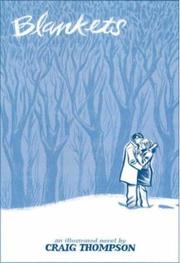
Start with Understanding Comics by Scott McCloud — the foundational, genre-defining explanation of how comics work as a visual language. It reframes everything. Then read two of the medium's own masterpieces to see the theory in action: The Complete Persepolis by Marjane Satrapi and Blankets by Craig Thompson are long-form graphic memoirs that show what the form can do emotionally. Reading great comics closely is study, not a break.
Learn to tell and write the story
Next, structure and script. Comics and Sequential Art by Will Eisner, from one of the masters, lays out the principles of visual storytelling, and his Graphic storytelling and visual narrative goes deeper on narrative flow. For the scripting craft specifically, Writing for comics by Alan Moore and The DC Comics Guide to Writing Comics by Dennis O'Neil teach how to write a comic script that an artist can actually draw.
Draw for sequence
Now the visual craft. Making Comics by Scott McCloud is the practical companion to his theory book — panel choice, page layout, facial expression, and pacing. Framed ink: drawing and composition for visual storytellers by Marcos Mateu-Mestre is a superb guide to composing panels for clarity and drama, the skill that separates readable pages from confusing ones.
Letter, color, and publish
Finally, finish and ship. The DC Comics guide to coloring and lettering comics by Mark Chiarello covers the production crafts that most beginners underestimate — lettering can make or break a page. Then How to self publish comics by Josh Blaylock walks you through actually getting your book printed and into readers' hands.
How to actually make comics
Reading about comics will not fill a page — drawing will. Make a one-page comic after the theory stage, even a bad one, and you will feel exactly which craft to study next. Study pages you love by copying their layouts. Finish small things: a single page, then a short story, then the graphic novel. The medium rewards the maker who ships.
Follow the full reading path, explore the comics hub, or browse related subjects like drawing and animation.
Ready to learn something deeply?
Build a reading path — free