Filmmaking is not one skill; it is a stack of crafts — story, directing, camera, sound, editing — each deep enough to fill a career. That is why so many first films fall apart: the aspiring director tries to learn everything at once from YouTube and ends up with a hundred disconnected tips. The fix is to learn the crafts in the order a film is actually built, from the page to the cut.
Books here do something practice alone cannot: they give you the vocabulary and principles that let you learn faster on set. They will not replace the reps of actually shooting, but they will keep you from repeating a century of solved mistakes.
Start with story
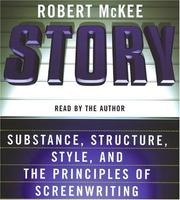
Everything begins with the script. Story by Robert McKee is the standard text on dramatic structure — what makes a scene work and why an audience keeps watching. Read it first, because no amount of beautiful cinematography rescues a story that does not hold.
Learn to direct
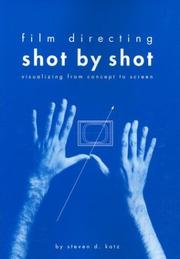
Next, translate story into images. Film directing shot by shot by Steven D. Katz is the classic on visualizing scenes — coverage, blocking, and how shots cut together — with the diagrams that make it click. Directing Actors by Judith Weston teaches the other half of directing: getting real performances, which most technical directors neglect. And On directing film by David Mamet is a short, bracing argument for telling story through juxtaposition of images.
Master the camera and light
Now the visual craft. Cinematography by J. Kris Malkiewicz is a thorough grounding in lenses, exposure, and camera technique. Painting with light by John Alton is the poetic classic on lighting from a master cinematographer — old but timeless in its principles.
Understand editing
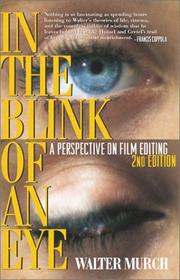
Editing is where a film is truly written. In the blink of an eye by Walter Murch is a slim, brilliant meditation on why cuts work and how rhythm shapes emotion. The lean forward moment by Norman Hollyn ties editing choices to holding an audience's attention. And The Conversations by Michael Ondaatje, a book-length dialogue with Murch, deepens all of it.
Learn from people who did it
Finish with wisdom from the chair. Making movies by Sidney Lumet is a generous, practical account of how a great director actually works, and Rebel Without a Crew by Robert Rodriguez is the inspiring, nuts-and-bolts diary of making a feature for almost nothing — proof you can start now.
How to actually make a film
Do not wait until you have read everything. Shoot a two-minute scene with a phone after the story and directing stages, cut it, and see what breaks. Then read the next stage with that experience in your bones. Filmmaking is learned by making films badly and getting better; the books make "better" arrive faster.
Follow the full reading path, visit the filmmaking hub, or browse related subjects like acting and screenwriting.
Ready to learn something deeply?
Build a reading path — free