Animation is one of the few crafts where the fundamentals have barely changed in eighty years. The principles worked out at Disney in the 1930s — squash and stretch, timing, anticipation, appeal — apply whether you are drawing on paper, pushing clay, or keyframing in 3D software. Learn those principles first and any tool becomes learnable. Skip them and no amount of software skill will make your work feel alive.
Learn animation: a reading path from principles to short
July 12, 2026 · 2 min read
Why order matters here
The temptation is to open your software and start moving objects. Do that and you produce technically correct motion that feels dead. The path below front-loads the principles and timing that make motion believable, then adds acting and story (what the motion is for), then the medium-specific and career knowledge. Each layer needs the one before it.
A staged reading path
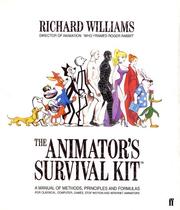
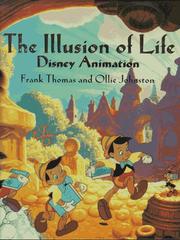
Start with the bible of the craft. The Illusion of Life by Frank Thomas is the Disney masters' definitive account of the twelve principles and the philosophy behind them. Then get the practical, working companion: The Animator's Survival Kit by Richard Williams is the single most recommended how-to book in animation, packed with the mechanics of walks, weight, and timing you will return to for years.
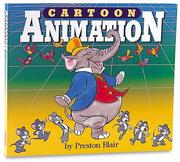
Build your drawing and timing foundations next. Cartoon Animation by Preston Blair teaches construction and appeal in the classic style, and Timing for Animation by Harold Whitaker breaks down the exact spacing that makes actions read. These are the technical grammar of movement.
Now learn what motion is for. Acting for Animators by Ed Hooks argues that animation is acting, and teaches you to think about intention and emotion rather than mechanics alone — this is the leap from moving objects to creating characters. Directing the Story by Francis Glebas adds storyboarding and staging so your shots communicate.
Then choose your medium and finish something. Stop Motion by Susannah Shaw covers the tactile world of puppets and armatures, The Art of 3-D Computer Animation and Effects by Isaac Victor Kerlow orients you in the digital pipeline, and The Animation Book by Kit Laybourne is a broad, encouraging guide to actually making a film. When you start thinking about the industry, Your Career in Animation by David B. Levy is the honest guide to working in it.
How to actually learn this
Reading about animation cannot replace animating — this is a doing craft, and the fundamentals only sink in through practice. After the principles book, animate a bouncing ball. Yes, really: it is the scales-and-arpeggios exercise every animator does, and it teaches timing and spacing better than a hundred pages. Then a pendulum, a walk cycle, a simple character reaction. Post your work, get critique, and redo it. Progress comes from finishing small exercises, not from reading ahead.
Make something short and finish it. Follow the full reading path, visit the animation subject hub, or explore more visual and film paths.
FAQ
- What should I learn first in animation?
- The twelve principles of animation. Read The Illusion of Life and The Animator's Survival Kit, then practice with a bouncing ball before touching character work.
- Can I learn animation without expensive software?
- Yes. The principles are tool-independent, and you can practice with free software or on paper. The craft is in timing and appeal, not the program.
Get the books
- 1The animator's survival kitAmazon ↗Richard Williams
- 2Cartoon AnimationAmazon ↗Preston Blair
- 3The illusion of lifeAmazon ↗Frank Thomas Bullen
- 4Acting for animatorsAmazon ↗Ed Hooks
- 5Timing for animationAmazon ↗Harold Whitaker
- 6Stop MotionAmazon ↗Susannah Shaw
As an Amazon Associate we earn from qualifying purchases. Some book links are affiliate links; you pay the same price and we may earn a small commission.
Follow the full reading path
Learn animation: from the principles to your first short
Beginner10books75 hrs5 stages
@craftsherpa♥ 0
Ready to learn something deeply?
Build a reading path — free