Acting is often treated as pure instinct, but every serious actor has trained in a method — a systematic way to make imaginary circumstances feel real. The great teachers left behind books that still form the backbone of conservatory training. Reading them will not make you an actor, but it will give you the vocabulary and the frameworks that decades of professionals argue over, and it will make your practice far more deliberate.
Learn acting and improv: a beginner's reading path
July 12, 2026 · 2 min read
Why order matters here
The acting canon is a conversation across a century: later teachers built on, reacted to, and corrected the ones before. Read Meisner before you have any sense of Stanislavski and you will miss what he is responding to. This path follows the actual lineage — foundation first, then the major American branches, then improv and the practical business of the craft.
A staged reading path
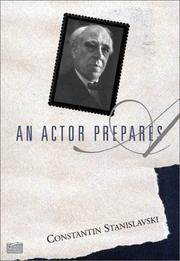
Start at the source. An Actor Prepares by Konstantin Stanislavski is where modern acting theory begins — emotional truth, given circumstances, the "magic if." It can feel dated, so pair it with the clearer, warmer Respect for Acting by Uta Hagen, which many teachers consider the best single practical book for beginners.
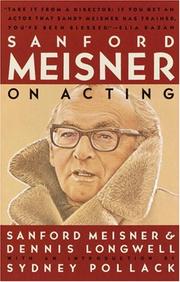
Then explore the major techniques that grew from Stanislavski. Sanford Meisner on Acting by Sanford Meisner lays out the repetition-based approach that trains you to live truthfully off your scene partner. The Technique of Acting by Stella Adler emphasizes imagination and the given circumstances of the script. Reading these side by side shows you that "the Method" is really several methods, and you get to find what fits you.
Now add spontaneity. Impro by Keith Johnstone is a genuinely mind-expanding book on improvisation, status, and creativity that reaches far beyond the stage. Truth in Comedy by Charna Halpern is the foundational text of long-form improv and the source of many rules you have heard secondhand. Improv teaches presence and listening that scripted work depends on.
Finally, get practical. Audition by Michael Shurtleff is the classic on how to actually book roles, with its famous twelve guideposts, and The Intent to Live by Larry Moss is a modern, encouraging synthesis of technique from a working coach. For a philosophical capstone about what theater is for, The Empty Space by Peter Brook is short and unforgettable.
How to actually learn this
Be honest with yourself: books complement acting but cannot replace doing it. Acting lives in your body, your voice, and your nerve in front of other people. Take a class, join an improv group, run scenes with a partner, and get on a stage. Use the reading to name what you are practicing — "I'm working on given circumstances this week" — and to diagnose what went wrong. Reps with feedback are the real curriculum; the books are the map.
Do the work in front of people. Follow the full reading path, visit the acting subject hub, or explore more creative paths.
FAQ
- Can you learn acting from books?
- Books teach the frameworks and vocabulary, but acting is learned by doing it in front of people. Use titles like Respect for Acting alongside classes, scene work, and stage time.
- Which acting book should a beginner read first?
- Respect for Acting by Uta Hagen is the most practical starting point. Read An Actor Prepares next to see the Stanislavski foundation everything else builds on.
Get the books
- 1An Actor PreparesAmazon ↗Konstantin Stanislavsky
- 2Respect for actingAmazon ↗Uta Hagen
- 3Sanford Meisner on actingAmazon ↗Sanford Meisner
- 4The technique of actingAmazon ↗Stella Adler
- 5A dream of passionAmazon ↗Lee Strasberg
- 6ImproAmazon ↗Keith Johnstone
As an Amazon Associate we earn from qualifying purchases. Some book links are affiliate links; you pay the same price and we may earn a small commission.
Follow the full reading path

Learn to act: acting and improv for beginners
Beginner11books75 hrs5 stages
@craftsherpa♥ 0
Ready to learn something deeply?
Build a reading path — free