Lucid dreaming — becoming aware that you are dreaming while it happens, and sometimes steering it — is a genuine phenomenon that has been verified in sleep labs. It sits at a fascinating crossroads of neuroscience, psychology, and questions about consciousness itself. It also attracts a lot of mystical nonsense. The way to learn it well is to build on the actual science of sleep and dreaming first, so you can tell technique from wishful thinking, and treat the grander claims about the mind as open questions rather than settled facts.
Lucid dreaming: a reading path into the science of dreams
July 12, 2026 · 2 min read
Why order matters here
Jump straight to a "how to lucid dream tonight" manual and you will practice techniques without understanding the sleep architecture that makes them work — REM cycles, sleep timing, memory consolidation. This path grounds you in why we sleep and dream, moves into the science and psychology of dreaming, then reaches the practical techniques, and finally the deeper questions about the self that lucidity raises.
A staged reading path
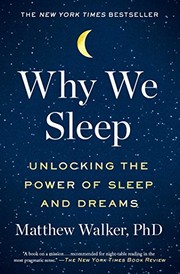
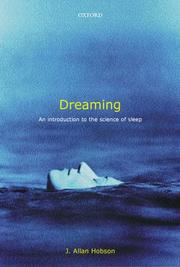
Start with the foundation everything rests on: Why We Sleep by Matthew Walker is the accessible, science-based tour of sleep and REM that explains what dreaming even is and why sleep matters — read this before any technique book. Then survey how thinking about dreams evolved. The Interpretation of Dreams by Sigmund Freud is the historical origin of dream psychology (read as history, not settled science), and Dreaming by J. Allan Hobson gives the modern neuroscientific counterpoint on how the sleeping brain generates dreams.
Next, see what dreams can do. The Committee of Sleep by Deirdre Barrett gathers the research on dream-driven problem solving and creativity — a grounded look at why dreaming is more than noise.
Now get practical, from the people who did the actual research. Exploring the World of Lucid Dreaming by Stephen LaBerge is written by the scientist who first proved lucid dreaming in the lab, and it pairs technique with evidence. Lucid Dreaming by Robert Waggoner goes further into the experiential territory; read it with a scientist's skepticism intact.
Finally, sit with the big questions lucidity raises about the self. The Ego Tunnel by Thomas Metzinger and his more technical Being No One argue that the self is a model the brain builds — ideas that lucid dreaming makes vivid — and The Conscious Mind by David Chalmers frames the hard problem of consciousness these experiences bump into. Treat this stage as weighing serious arguments, not reaching conclusions.
How to actually learn this
Practice is required, and it is mostly about attention and memory. Keep a dream journal from day one — you cannot work with dreams you do not remember, and recall improves fast with the habit. Then use the evidence-based techniques (reality checks, wake-back-to-bed timing) from LaBerge, expecting slow, uneven progress. Protect your actual sleep above all; chasing lucidity at the cost of rest is a bad trade the science does not support. Books give you the method and the skepticism; consistency gives you the results.
Explore the mind honestly. Follow the full reading path, visit the lucid dreaming subject hub, or explore more mind and science paths.
FAQ
- Is lucid dreaming scientifically real?
- Yes. It was verified in sleep laboratories, notably by Stephen LaBerge, whose Exploring the World of Lucid Dreaming pairs technique with evidence. The phenomenon is real even if some popular claims around it are not.
- What should I read first to learn lucid dreaming?
- Start with Why We Sleep to understand sleep and REM, then move to LaBerge's techniques. Keep a dream journal from the beginning, since recall is the prerequisite skill.
Get the books
- 1Why We SleepAmazon ↗Matthew P. Walker
- 2The Interpretation of DreamsAmazon ↗Sigmund Freud
- 3DreamingAmazon ↗J. Allan Hobson
- 4The Committee of SleepAmazon ↗Deirdre Phd Barrett
- 5Lucid dreamingAmazon ↗Robert Waggoner
- 6Exploring the world of lucid dreamingAmazon ↗Stephen LaBerge
As an Amazon Associate we earn from qualifying purchases. Some book links are affiliate links; you pay the same price and we may earn a small commission.
Follow the full reading path

Lucid dreaming and the science of dreams
Beginner9books68 hrs4 stages
@wellsherpa♥ 0
Ready to learn something deeply?
Build a reading path — free