Almost everyone wants to read faster, but speed is the least valuable part of reading well. What actually matters is understanding deeply, remembering what you read, and turning it into something you can use. Speed without comprehension is just flipping pages. The good news is that reading is a skill you can improve deliberately — and doing so compounds, because every other subject you will ever learn passes through it.
Build the skills in order: how to read for understanding, then how to remember, then how to capture and connect ideas, and only then how to go faster without losing the rest.
Learn how to read for understanding
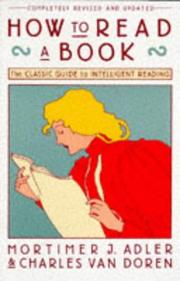
Start with the foundational text, How to Read a Book by Mortimer J. Adler — a classic that teaches the levels of reading, from skimming to analytical to comparing multiple books on a topic. It reframes reading from passive absorption to active interrogation, which is the whole game.
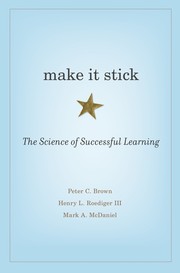
Make it stick
Next, the science of memory. Make It Stick by Peter C. Brown is the best research-based guide to how learning actually works — retrieval practice, spacing, and why rereading fools you into feeling you have learned something you have not. Reinforce it with Ultralearning by Scott Young, which turns those principles into aggressive, self-directed learning projects. Together they explain why doing something with what you read beats simply consuming more of it.
Capture and connect
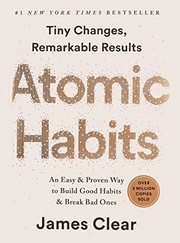
Now build a system so what you read does not evaporate. How to Take Smart Notes by Sonke Ahrens teaches a note-taking method that links ideas over time into something you can write and think from — the difference between highlights you never revisit and knowledge you can use. And to make it sustainable, Atomic Habits by James Clear shows how to build the daily reading and note-taking habit that all of this depends on.
Go faster, wisely
Only now, with comprehension and retention handled, address speed. Breakthrough rapid reading by Peter Kump offers techniques for reading faster, best applied to material where speed does not cost you understanding. Treat speed as a tool for the right texts, not a goal for all of them.
Read to think, not just to finish
Close with two books that reframe why you read at all. The Reading Life by C.S. Lewis is a lovely meditation on reading as one of the great pleasures and enlargements of life, and Antifragile by Nassim Nicholas Taleb models a certain kind of wide, skeptical, connective reading — thinking across books rather than through one at a time.
How to actually improve
Do not try to apply everything at once. Pick one skill — active questioning, or a simple notes system — and use it on your next book. Vary your speed on purpose: skim what deserves skimming, crawl through what deserves rereading. The best readers are not the fastest; they are the ones who remember and use what they read.
Follow the full reading path, visit the reading hub, or browse more subjects to put your sharper reading to work.
Ready to learn something deeply?
Build a reading path — free