Pilates is not just core exercises; it is a whole method built on control, precision, and breath — which is why it works, and also why it is easy to do badly. The movements look gentle, but their benefit comes entirely from doing them correctly, engaging the right muscles in the right sequence. Books can teach you the principles and the anatomy behind the method so that your practice is informed rather than a vague imitation of a video.
An honest caveat up front: Pilates is a physical skill, and the fastest way to learn it well is with a qualified instructor who can see your form and correct it. Books are a powerful complement — they explain the "why" a class rarely has time for — but they are not a substitute for hands-on feedback, especially early on.
Go to the source
Start with Return to Life Through Contrology by Joseph H. Pilates, the founder's own short book laying out his original method and philosophy. Reading the source clarifies what Pilates was actually designed to do — full-body control, not just abs — and grounds everything that follows.
Learn the beginner's method
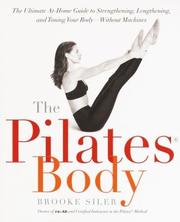
Next, get a practical, structured introduction. The Pilates Body by Brooke Siler is a clear, well-illustrated guide to the mat exercises with the cues and progressions a beginner needs. Pair it with The Pilates method of body conditioning by Sean Gallagher for another disciplined presentation of the core repertoire, so you see the movements described more than one way.
Understand your body
Now go under the hood. Pilates anatomy by Rael Isacowitz shows you exactly which muscles each exercise targets and how alignment changes the effect — this is the book that turns "I think I'm doing it right" into knowing. The anatomy of Pilates by Paul Massey reinforces the same understanding of movement mechanics and safe technique.
How to actually practice
Start with a handful of foundational mat exercises and do them slowly, with full attention to breath and control, rather than rushing through many. Quality over quantity is the entire ethos. Use a mirror or film yourself and compare to the anatomy books' cues. If you can, take even a few sessions with a certified instructor to calibrate your form, then use the books to keep learning between sessions. Consistency — a short, precise practice most days — beats occasional long ones.
Follow the full reading path, visit the Pilates hub, or browse related subjects like yoga and posture.
Ready to learn something deeply?
Build a reading path — free