Blended families most often struggle not from a lack of love but from unrealistic expectations, the belief that a new family should instantly feel like an old one. That is why the reading order here begins with honesty about how hard and slow the process is, then moves to proven frameworks, then to roles and communication, and finally to the patient work of building bonds.
Start with the reality check and you inoculate yourself against the biggest source of disappointment. From there the practical frameworks land as relief rather than pressure.
Face the reality first
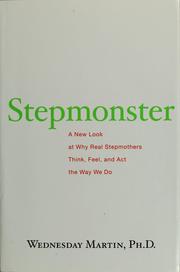
Open with Stepmonster by Wednesday Martin, a candid, research-informed look at the stepmother role and the myths around it, and Stepfamily Realities by Margaret Newman for a grounded picture of what actually happens. Caught in the Middle by Gary Neuman keeps the children's experience front and center, a useful corrective when adult tensions dominate.
Work from proven frameworks
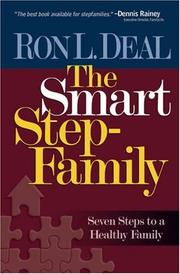
Now bring in structure. The Smart Step-Family by Ron L. Deal is one of the most widely used roadmaps for building a stepfamily deliberately, and How to Win As a Stepfamily by Emily B. Visher, from pioneers of stepfamily research, gives you evidence-based expectations and stages. Mom's house, dad's house by Isolina Ricci helps coordinate across two homes when co-parenting spans households.
Build bonds that last
Finish with the long game. Strengthening your stepfamily by Elizabeth Einstein and Building a Successful Stepfamily by Harold Ivan Smith offer practical habits for cohesion, Loving the Brady Bunch by Margorie Engel gently punctures the fantasy of the effortless blended family, and The Courage to Love by Bill Ferguson focuses on the couple relationship at the center that has to hold.
Books guide the process, but complex blends sometimes need a family therapist, and these do not replace that. Read the path in order, share the reality-check titles with your partner, and give the bonding work the years it genuinely takes.
Follow the full reading path →
Ready to learn something deeply?
Build a reading path — free