Every watch forum has the same origin story: someone opens their grandfather's watch to "just take a look," and a tiny spring departs for another dimension. Watchmaking punishes improvisation more than almost any craft — the parts are small, the tolerances are absurd, and enthusiasm is not a substitute for sequence. The learners who make it follow a boring, effective rule: read first, practice on movements that don't matter, and save the watches you love for the day your hands have earned them.
Watchmaking books in order: from first tick to a finished movement
July 9, 2026 · 2 min read
The path, stage by stage
Start with why any of this is worth it. The Watch, Thoroughly Revised by Gene Stone is the field guide to mechanical watches as objects — history, houses, movements, and the culture around them. It builds the vocabulary and the taste that make the technical books meaningful.
Then the two repair classics, read in this order. Practical Watch Repairing by Donald de Carle is the gold-standard beginner's text — patient, superbly illustrated, walking through the movement system by system with the assumption that you've never held a screwdriver this small. The Watch Repairer's Manual by Henry B. Fried, the American counterpart, covers cleaning, overhaul, and fault-finding with a bench instructor's thoroughness. Between them you get two masters explaining the same machine from slightly different angles, which is exactly how tricky material sticks.
Next, go deep on the heart of the watch. Clock and Watch Escapements by W.J. Gazeley is a whole book on the mechanism that turns stored energy into a regulated tick — dense, and worth it, because escapement work separates people who service watches from people who understand them. Repairing Old Clocks and Watches by Anthony J. Whiten extends your range to the vintage pieces you'll actually encounter, where parts are unobtainable and judgment replaces the spares drawer.
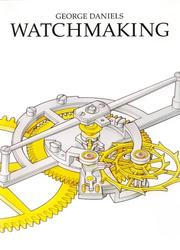
The summit is Watchmaking by George Daniels — the greatest watchmaker of the twentieth century explaining how to make a watch from raw material. Most readers will never cut their own wheels. It doesn't matter. Daniels shows what complete mastery looks like, and every page recalibrates your standards.
The habit: one movement, taken apart until it's boring
Buy several cheap, identical, working movements — common vintage calibers cost little — and disassemble and reassemble the same one repeatedly at the bench, checking it still runs each time. Log every session: what came apart cleanly, what you lost, what you scratched. When assembly feels routine rather than terrifying, move to servicing: cleaning and oiling. Repetition on a movement with no sentimental value is the entire secret of watch school, available at home for the price of patience.
Time and the path
Six books is roughly 60 hours of reading, paced alongside many quiet hours at the bench. Follow the path, or start at the watchmaking hub. Fine-motor crafts feed each other — the jewelry making hub is a natural neighbor.
FAQ
- How much does it cost to start watch repair?
- A serviceable starter kit — screwdrivers, tweezers, loupe, movement holder, case tools — runs a few hundred dollars, plus cheap practice movements. Buy decent mid-range tools; the very cheapest tweezers and drivers damage parts and morale.
- Can I really learn this without formal training?
- To the hobbyist level of disassembly, cleaning, and basic servicing — yes, and this path plus practice movements is the standard self-taught route. Professional certification matters mainly if you want to work on other people’s valuable watches.
Get the books
- 1The Watch, Thoroughly RevisedAmazon ↗Gene Stone
- 2WatchmakingAmazon ↗George Daniels
- 3The watch repairer's manualAmazon ↗Henry B. Fried
- 4Practical watch repairingAmazon ↗Donald De Carle
- 5Clock and Watch EscapementsAmazon ↗W.J. Gazeley
- 6Repairing old clocks and watchesAmazon ↗Anthony J. Whiten
As an Amazon Associate we earn from qualifying purchases. Some book links are affiliate links; you pay the same price and we may earn a small commission.
Follow the full reading path


Watchmaking: from first tick to finished movement
Beginner6books48 hrs3 stages
@craftsherpa♥ 0
Ready to learn something deeply?
Build a reading path — free