Candle making looks like the easiest craft on earth — melt wax, add scent, insert wick — which is exactly why so many homemade candles are bad. They tunnel down the middle, throw no scent, smoke like a diesel engine, or burn dangerously hot in the wrong container. Every one of those failures traces to a variable the maker didn't know existed: wick diameter versus vessel width, fragrance load versus wax type, pour temperature versus adhesion. The craft isn't melting wax. It's matching five variables to each other, and that's a knowledge problem books solve quickly.
Candle making at home: pour candles that actually burn well
July 9, 2026 · 2 min read
The path, stage by stage
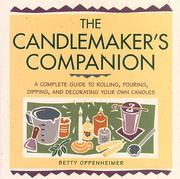
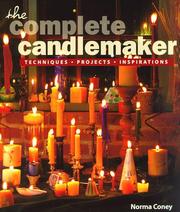
This is a short, dense path — two comprehensive books that cover the craft between them. Betty Oppenheimer's The Candlemaker's Companion is the standard reference: waxes and their personalities, wick sizing (the single most-fumbled variable), fragrance and dye, molds, containers, and the full range of techniques from rolled beeswax to dipped tapers. It's the book that turns "why did it tunnel?" from a mystery into a diagnosis. Norma J. Coney's The Complete Candlemaker complements it with a project-driven tour of the same territory — dipping, molding, decorative techniques — so you're not just reading theory but building a repertoire of candles you've actually made.
Read them in that order: Oppenheimer for the why, Coney for the what-next. Together they cover more ground than a hundred conflicting blog posts, and — unusually for craft publishing — they agree on the fundamentals.
One line on safety, because hot wax earns it: use a double boiler, never leave melting wax unattended, and keep a proper lid or fire extinguisher nearby — wax fires are doused by smothering, never water.
Two books may look thin for a path, but candle making is a compact craft with a deep testing loop — the reading gets you fluent fast, and the remaining education happens in your own burn tests. That's by design: more books here would mostly repeat the same wick charts.
The habit: burn-test every batch and write it down
Makers who improve keep a pour log: wax type, wick size, vessel, fragrance percentage, pour temperature — then the results of a full burn test. Light the candle, let it burn until the melt pool reaches the container edge, note the time, look for tunneling, mushrooming, or soot. One candle from every batch gets sacrificed to the test. It feels wasteful; it's the entire difference between someone who makes candles and someone who once made a candle.
This is one of the fastest paths on the site — about 20 hours of reading, and your first proper testing batch can happen this weekend. Follow the path or browse the candle making hub. Fair warning: this craft is a gateway — soap making uses half the same equipment.
FAQ
- What wax should a beginner start with?
- Container candles in soy or a soy-paraffin blend are the forgiving starting point — no molds, lower melt points, and easy cleanup. Beeswax and dipped tapers are wonderful but less tolerant of beginner variables.
- Why don’t my candles smell like anything when they burn?
- Usually one of three culprits: fragrance load too low, fragrance added at the wrong temperature, or a wick too small to create a full melt pool. The books cover the fragrance-load math per wax type — it’s formula, not luck.
Get the books
- 1The candlemaker's companionAmazon ↗Betty Oppenheimer
- 2The complete candlemakerAmazon ↗Norma J. Coney
- 3Making candles & soaps for dummiesAmazon ↗Kelly Ewing
- 4Beeswax alchemyAmazon ↗Petra Ahnert
- 5CandlesAmazon ↗Gloria Nicol
- 6Candle making in a weekendAmazon ↗Sue Spear
As an Amazon Associate we earn from qualifying purchases. Some book links are affiliate links; you pay the same price and we may earn a small commission.
Follow the full reading path
Pour better candles
Beginner6books24 hrs2 stages
@craftsherpa♥ 0
Ready to learn something deeply?
Build a reading path — free