The reason so much vegetarian food is mediocre is that it's cooked like meat food with the meat removed. A plate built around a missing centerpiece will always taste like an apology. Cooks who make vegetables genuinely craveable learned a different skill set — higher heat than feels polite, more acid than the recipe says, salt at the right moments, and flavor built in layers because there's no roast doing the heavy lifting.
Vegetarian cooking that treats vegetables as the main event
July 9, 2026 · 2 min read
The path, stage by stage
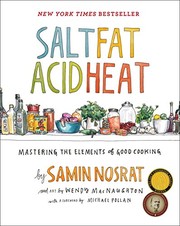
Start with the reference and the theory, together. How to Cook Everything Vegetarian by Mark Bittman is the doorstop that answers every "how do I cook this?" for a meatless kitchen — keep it within arm's reach for years. Alongside it, Salt, Fat, Acid, Heat by Samin Nosrat teaches the four elements that make anything taste good. It isn't a vegetarian book; it's the book that explains why your vegetables have been bland, which is more useful.
Then learn flavor-building from the modern master. Plenty by Yotam Ottolenghi is the book that made vegetables glamorous — bold, layered dishes where nobody asks where the meat went — and Plenty More extends the repertoire, organized by cooking method, which quietly teaches technique while you chase recipes. For improvisation, The Vegetarian Flavor Bible by Karen Page lists what pairs with what, so you can open the fridge and compose instead of searching for recipes.
Then cook with the calendar. Six Seasons by Joshua McFadden follows vegetables through the year — the same vegetable treated differently in early summer than late — and is arguably the best pure vegetable-cookery book of its generation. Vegetable Kingdom by Bryant Terry brings Afro-diasporic flavor traditions to the table, a register most vegetarian shelves are missing.
Finish with reliability and standards. The Complete Vegetarian Cookbook from America's Test Kitchen contributes hundreds of obsessively tested recipes that simply work, and The Zuni Café Cookbook by Judy Rodgers — again not a vegetarian book — teaches the judgment of a great cook: salting early, tasting constantly, respecting ingredients. Its lessons elevate everything else on this list.
The habit: one no-recipe vegetable dish a week
Once a week, cook one dish with no recipe: pick whatever vegetable looks best at the store, look up its pairings in the flavor bible, choose a method — roast hard, sear, braise — and season by taste using the salt-fat-acid-heat framework. Then write two lines about what worked. Recipes teach dishes; this habit teaches cooking, and it's the difference between owning cookbooks and being a cook.
Time and the path
Nine books is roughly 90 hours of reading, amortized over hundreds of dinners. Follow the path, or start at the vegetarian cooking hub. If weeknight logistics are the real obstacle, the meal prep hub solves that side of it.
FAQ
- Do these books work for a household that isn’t fully vegetarian?
- Completely. Most of the path teaches vegetable technique rather than ideology, and two of its best books aren’t vegetarian at all. Better vegetables improve every kind of table.
- Which book should I cook from first?
- Bittman for answers, Nosrat for understanding — read them in parallel. Save Ottolenghi for when your pantry has caught up; his recipes reward a stocked spice shelf.
Get the books
- 1How to cook everything vegetarianAmazon ↗Mark Bittman
- 2PlentyAmazon ↗Yotam Ottolenghi
- 3Salt, Fat, Acid, HeatAmazon ↗Samin Nosrat
- 4The vegetarian flavor bibleAmazon ↗Karen Page
- 5Plenty More: Vibrant Vegetable Cooking from London's OttolenghiAmazon ↗Yotam Ottolenghi
- 6Six seasonsAmazon ↗Joshua McFadden
As an Amazon Associate we earn from qualifying purchases. Some book links are affiliate links; you pay the same price and we may earn a small commission.
Follow the full reading path


Cook vegetables like they're the main event
Beginner9books106 hrs4 stages
Ready to learn something deeply?
Build a reading path — free