Here is the problem with learning about the Vikings: the version in your head was largely manufactured a thousand years after the fact. Horned helmets came from an opera costume designer. The noble-savage warrior aesthetic owes more to Victorian romantics than to any Norse source. Even the word Viking, as an identity, is mostly a modern convenience. The real story — of traders, settlers, shipwrights, poets, and yes, raiders, who reshaped Europe from Newfoundland to Baghdad's markets — is stranger and better than the costume version.
Getting to it requires an order: modern scholarship first, so you can spot the myths; then the mythology itself, understood as literature; then the sagas, which reward you tenfold once you have context.
Stage one: what the evidence actually says
Start with The age of the Vikings by Anders Winroth, a crisp scholarly corrective that weighs the raiding against the trading, settlement, and statecraft — and shows how the monks who wrote the records skewed the picture. Then go deeper with Children of Ash and Elm by Neil Price, an archaeologist's masterpiece that reconstructs how Viking-age people actually thought: their cosmology, their dead, their ships, their minds. For a third angle, The Vikings by Robert Ferguson adds a narrative historian's sweep of the whole age. And The Sea Wolves by Lars Brownworth is the fast-moving, story-first option if you want momentum early in the path.
Stage two: the myths, as the Norse told them
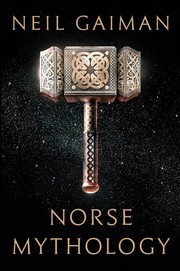
With the history in place, meet the gods. Norse Mythology by Neil Gaiman is a novelist's retelling of the Odin, Thor, and Loki cycles — faithful to the sources and the single most enjoyable entry point. Then upgrade to The Norse Myths by Kevin Crossley-Holland, the standard literary retelling with notes that connect each myth back to the medieval texts it survives in. Read Gaiman for pleasure, Crossley-Holland for depth.
Stage three: the sagas — the Vikings in their own literature
The Icelandic sagas are the great payoff of this path: medieval prose masterpieces about feud, honor, law, and exploration. Begin with The Vinland sagas, the two short accounts of the Norse voyages to North America — history and legend braided together, and astonishing to read after Price's archaeology. Then take on Njal's saga, widely considered the greatest of them all: a slow-burning feud epic about law and fate that reads like a modern novel. If it hooks you, Egil's Saga follows a warrior-poet who is equal parts monster and artist — the Viking age's contradictions in one character.
Stage four: how the myth of the Vikings was made
Finish with The Vikings and the Victorians by Andrew Wawn, which documents how nineteenth-century Britain invented much of the Viking image we inherited. It is the perfect last book: having learned the real history, you watch the costume version get stitched together — and you become permanently harder to fool about how the past gets packaged.
How to actually study this
Keep a map handy; Viking-age geography from Greenland to Kyiv is half the comprehension. When you reach the sagas, read the genealogical openings patiently — the payoff structure depends on them. And keep a myth-versus-evidence list from stage one: every time a later book corrects something you believed, write it down. That list is your actual education.
The staged sequence with study plans is at the full reading path. Related history paths live at the subject hub, or browse all paths.
Ready to learn something deeply?
Build a reading path — free