Here is the thing nobody tells you about Greek mythology: there is no bible. The myths survive as a sprawl of contradictory versions across poets, playwrights, and compilers spanning a thousand years. That is why diving straight into Homer defeats so many readers: the poems assume you already know who everyone is, who they are feuding with, and why the gods are angry this week. The fix is simple. Learn the stories in friendly form first, then read the epics, then enjoy watching the scholars and novelists argue about what it all means.
Greek mythology books, in order: Homer to modern retellings
July 11, 2026 · 3 min read
Stage 1: learn the family tree
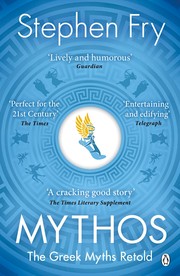
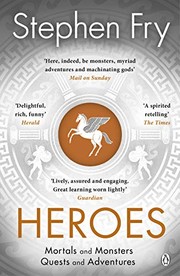
Start with Mythos by Stephen Fry, a warm, funny retelling of the creation myths and the Olympian gods that reads like a brilliant friend telling stories at dinner. Fry keeps the darkness and the strangeness while making the tangled genealogies actually stick. Follow it with Heroes, his companion volume on Perseus, Heracles, Jason, and the rest of the mortal cast. Between the two, you will have painlessly acquired the mental map that classics students used to build with flashcards.
Stage 2: the real thing
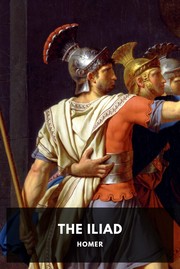
Now Homer, and in this order. The Iliad first: a few weeks in the tenth year of the Trojan War, and still perhaps the most unflinching book ever written about rage, honor, and mortality. Pick a modern translation and read it aloud when it drags; it was composed for the ear. Then The Odyssey, the homecoming, stranger and more novelistic, full of monsters, lies, and the best-constructed plot in ancient literature. Reading them in this sequence matters: the Odyssey constantly plays against the Iliad's shadow, and half its poignancy comes from knowing what Odysseus is coming home from.
Stage 3: the scholars
With the primary texts read, the interpreters get interesting. The Greek Myths by Robert Graves is the great eccentric compendium: comprehensive retellings paired with interpretive notes that modern scholars regard as largely idiosyncratic theory. Use it as a reference and enjoy the commentary as one poet's provocations, not settled scholarship. Then read The Greeks and the Irrational by E. R. Dodds, a genuine classic of intellectual history that asks how the actual Greeks experienced dreams, madness, and divine intervention. It permanently deepens everything you read before it.
Stage 4: the myths keep moving
Finish where the tradition is liveliest: modern retellings. The Song of Achilles by Madeline Miller retells the Iliad through Patroclus and the love story the epic only implies; it works precisely because you now know the source. Circe, Miller's second novel, gives the Odyssey's witch her own life and is, for many readers, even better. And The Penelopiad by Margaret Atwood hands the story to Penelope and her hanged maids, a sharp, sly reminder that retelling myths from new angles is not a modern invention. It is what Greeks did too.
How to actually study this
Keep a running character index from the Fry books onward; mythology rewards the reader who remembers that this nymph is that hero's grandmother. With Homer, pace beats speed: a book or two of the poem per sitting, ideally aloud. After each modern retelling, go back and reread the corresponding ancient passage and notice what the novelist changed. That comparison is where the subject comes alive.
The full reading path stages all nine books with study plans. More paths live at the Greek mythology hub, or build your own list.
FAQ
- Should I read The Iliad or The Odyssey first?
- The Iliad first. The Odyssey is a homecoming story that constantly echoes the Trojan War, and it lands far harder when you know what came before.
- What is the best book to start learning Greek mythology?
- Mythos by Stephen Fry. It teaches the gods, the genealogies, and the major stories in a form that actually sticks, which makes everything after it easier.
- Do I need to read ancient Greek to enjoy Homer?
- No. Strong modern English translations convey the drive and clarity of the poems, and choosing one you enjoy matters more than which scholar prefers it.
Get the books
- 1MythosAmazon ↗Stephen Fry
- 2HeroesAmazon ↗Stephen Fry
- 3The IliadAmazon ↗Όμηρος
- 4The OdysseyAmazon ↗Όμηρος
- 5The Greek mythsAmazon ↗Robert Graves
- 6The Greeks and the irrationalAmazon ↗E. R. Dodds
As an Amazon Associate we earn from qualifying purchases. Some book links are affiliate links; you pay the same price and we may earn a small commission.
Follow the full reading path
Greek mythology, Homer to modern retellings
Beginner9books88 hrs4 stages
Ready to learn something deeply?
Build a reading path — free