Ancient Greece invented democracy, tragedy, history-writing, and half of philosophy — which is why people keep bouncing off it. They start with the primary texts cold, discover that epic poetry and fifth-century-BC historiography are hard, and retreat. The Greeks are not hard; they are just badly sequenced. Read a modern map first, then the myths every Greek knew from childhood, and the great primary sources turn from homework into eavesdropping on the most interesting argument in history.
Ancient Greece Books: Democracy, War and Philosophy in Order
July 11, 2026 · 3 min read
Why order matters here
Greek literature assumes you know the stories, the geography, and the grudges. A staged approach supplies those the way a Greek childhood did — overview, then mythology, then epic, then history, then philosophy — so each text lands on prepared ground.
The path, stage by stage
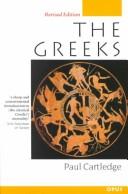
Start with The Greeks by Paul Cartledge, a compact modern portrait of who these people were, city by city and idea by idea. Then read Mythology by Edith Hamilton — still the best single collection of the myths, and the shared reference library behind every Greek text you will ever read.
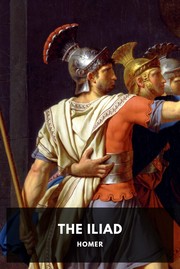
Now you are ready for Homer. The Iliad is the fountainhead: wrath, honor, mortality, and the terrible glamour of war, in a poem the Greeks treated as scripture and syllabus at once. Read a modern verse translation and read it aloud when it drags.
Then the historians. The histories of Herodotus is history's founding document — part inquiry, part travelogue, endlessly curious about why Greeks and Persians went to war; enjoy the digressions, they are the point. For the war that broke the Greek world, The Peloponnesian War by Donald Kagan distills a lifetime of scholarship into one gripping modern narrative of Athens against Sparta. Pair it with The Spartans, also by Cartledge, to understand the strange militarized society on the other side of that war.
The philosophers, in their proper place
Finish with philosophy, at the end, because the philosophers were responding to everything you just read. The last days of Socrates collects Plato's dialogues around the trial and death that made philosophy a martyrdom story. Read it before the big one: The Republic is Plato's long argument about justice, the soul and the ideal city, and it is the positive programme that follows the martyrdom — the most influential single book in Western political thought, and much easier to take once you know why Socrates died. Then Nicomachean Ethics by Aristotle asks the question the whole path has been circling: what does a flourishing human life actually consist of? Aristotle is the corrective to Plato, and reading them in that order lets you hear the disagreement.
The Closing of the Western Mind by Charles Freeman makes an argument worth ending on: that the Greek habit of open rational inquiry was gradually suppressed as Christianity became the religion of the Roman state. Plenty of historians of late antiquity reject that sharp before-and-after framing, and you should read it as a provocation rather than a verdict. Either way it is the right question to close with, because it asks what happened to everything you have just spent months reading.
One book on this list that is not about Greece
Worth saying plainly: The Fate of Rome by Kyle Harper appears in our catalogue listing for this path, and it is an excellent book — a study of how climate change and pandemic disease shaped the Roman Empire. It is not about ancient Greece. It landed here through cataloguing rather than subject, so save it for when you move on to Rome, where it genuinely belongs.
How to actually study this
Keep a map of the Aegean open — Greek history is geography. Keep a running cast list; the same families and cities recur for centuries. For the primary texts, pick modern translations and read introductions after the text, not before, so the work gets first word. Five hundred years will compress in your head; a one-line timeline per book fixes that.
The staged plan with study plans per stage is the full reading path. Neighboring routes live in the ancient Greece hub, or browse all paths.
FAQ
- Should I read The Iliad or a history of Greece first?
- History and mythology first. The Iliad assumes you know the stories and the world; a modern overview plus Edith Hamilton makes it dramatically more readable.
- Do I need to read The Republic before Aristotle?
- Yes, and read the trial dialogues before both. The Republic is Plato answering the question Socrates died over, and the Ethics is Aristotle answering Plato. In that order the three read as one continuous argument.
Get the books
- 1The GreeksAmazon ↗Paul Cartledge
- 2MythologyAmazon ↗Edith; Edith Hamilton Hamilton
- 3The IliadAmazon ↗Όμηρος
- 4The SpartansAmazon ↗Paul Cartledge
- 5The histories of HerodotusAmazon ↗Herodotus
- 6The Peloponnesian WarAmazon ↗Donald Kagan
As an Amazon Associate we earn from qualifying purchases. Some book links are affiliate links; you pay the same price and we may earn a small commission.
Follow the full reading path
Ancient Greece: democracy, war & philosophy
Beginner11books98 hrs4 stages
Ready to learn something deeply?
Build a reading path — free