Tai chi has a retention problem. Beginners show up expecting gentle exercise, spend eight weeks feeling vaguely awkward, and quit — not because it isn't working, but because nobody explained what "working" looks like. The postures are the visible ten percent; the training happens in balance, attention, and how force moves through a relaxed body. Books can't replace a teacher, but they're the best tool for understanding what your practice is doing while it's still invisible.
Tai chi for beginners: a reading path from first stance to daily practice
July 9, 2026 · 2 min read
The path, stage by stage
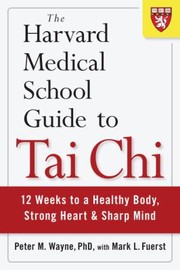
Start with the evidence. The Harvard Medical School Guide to Tai Chi by Peter Wayne — a researcher who is also a longtime practitioner — lays out what clinical studies actually show: meaningful, well-replicated benefits for balance and fall prevention, and promising findings elsewhere, presented without mysticism or overselling. It also includes a sensible 12-week program, which makes it the rare tai chi book that's both credible and usable.
Then the practical mechanics. The Tai Chi Book by Robert Chuckrow answers the questions every beginner has and most classes skip — what to do with your knees, your breath, your attention — with a physics teacher's clarity. The Way of Qigong by Kenneth S. Cohen adds the breathing and energy-cultivation practices that underlie the form, treated thoroughly and level-headedly.
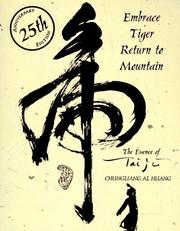
Next, the tradition in its own words. T'ai Chi Classics translated by Waysun Liao and The Essence of T'ai Chi Ch'uan by Benjamin P. Lo present the short, dense classical texts that every style descends from — best read slowly, a few lines at a time, once you have months of practice to check them against. Embrace Tiger, Return to Mountain by Al Chung-liang Huang is the philosophical counterweight: tai chi as moving meditation rather than choreography to memorize.
Finally, two books for the long road. There Are No Secrets by Wolfe Lowenthal — a student's memoir of the great teacher Cheng Man-ch'ing — captures what decades of practice actually feel like, and Opening the Energy Gates of Your Body by Bruce Frantzis provides systematic internal work for when the outer form feels settled.
The habit: ten minutes, same time, fewer moves
Practice ten minutes daily at the same anchor point — right after waking works best — and deliberately limit yourself to a few movements done attentively rather than racing through a whole form. Tai chi skill compounds through frequency, not session length; a daily ten minutes beats a weekly hour by a wide margin, and tying it to an existing routine is what makes it survive month three, where most practices die.
Time and the path
Nine books is roughly 90 hours of reading, spread across a year of practice they're meant to accompany. Follow the path, or start at the tai chi hub. The balance benefits are the best-documented of all — the balance training hub makes a natural companion.
FAQ
- Can I learn tai chi from books alone?
- Books are best used alongside a class or video instruction — posture corrections need outside eyes. What books provide that classes usually don’t is the why: the principles, evidence, and internal work that make practice meaningful.
- Is tai chi actually good for you, or is it hype?
- The balance and fall-prevention evidence is strong and well-replicated, especially in older adults. Other claimed benefits range from promising to preliminary — the Harvard guide on this path sorts the solid findings from the speculation.
Get the books
- 1The Harvard Medical School Guide To Tai Chi 12 Weeks To A Healthy Body Strong Heart And Sharp MindAmazon ↗Peter Wayne
- 2The tai chi bookAmazon ↗Robert Chuckrow
- 3Embrace tiger, return to mountainAmazon ↗Al Chung-liang Huang
- 4Amazon ↗
- 5The Way of QigongAmazon ↗Kenneth S. Cohen
- 6Tʻai chi classicsAmazon ↗Waysun Liao
As an Amazon Associate we earn from qualifying purchases. Some book links are affiliate links; you pay the same price and we may earn a small commission.
Follow the full reading path

Begin tai chi
Beginner9books38 hrs5 stages
@wellsherpa♥ 0
Ready to learn something deeply?
Build a reading path — free