Everyone who starts making sushi at home obsesses over the fish. Where to buy it, how fresh, which grade. Meanwhile the actual foundation — properly cooked, seasoned, and handled rice — gets one distracted attempt. In Japan, apprentice sushi chefs famously spend years on rice before touching fish. You don't need years. You need to accept that sushi is a rice dish with toppings, and sequence your learning accordingly.
Sushi at home: master the rice first, then everything else
July 9, 2026 · 2 min read
The path, stage by stage
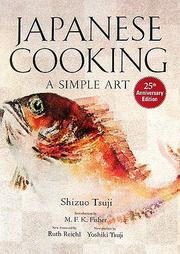
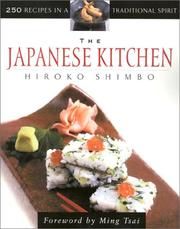
Start with the tradition underneath the technique. Japanese Cooking by Shizuo Tsuji is the definitive English-language text on Japanese cuisine — knife work, dashi, rice, the logic of the whole kitchen. Sushi makes far more sense as part of this system than as an isolated party trick. Alongside it, The Japanese Kitchen by Hiroko Shimbo grounds you in the pantry: rice varieties, vinegars, seaweeds, and the ingredients your rolls will live or die by.
Then go sushi-specific with the same author. The Sushi Experience by Hiroko Shimbo covers the full craft — rice technique, fish selection and handling, forming nigiri, rolling maki — with the detail of someone teaching, not just demonstrating. Sushi: Taste and Technique by Kimiko Barber is the visual companion: step-by-step photography that shows hand positions no prose can.
For breadth and repertoire, The Complete Book of Sushi by Hideo Dekura adds styles and presentations to keep you progressing after the fundamentals click. And Japanese Farm Food by Nancy Hachisu Singleton rounds out the path with the home-cooking context — the pickles, small dishes, and seasonal thinking that turn "sushi night" into an actual Japanese meal.
A note on raw fish, evidence first: fish served raw should be purchased as sashimi-grade from a reputable supplier, which generally means it was frozen to parasite-killing temperatures. Home refrigerators don't get cold enough to do this yourself. When in doubt, start with cooked and vegetable rolls — they're legitimate sushi and far more forgiving.
The habit: a weekly rice batch, judged honestly
Once a week, cook and season one batch of sushi rice — wash, soak, cook, cut in the vinegar seasoning, fan, and taste at body temperature. Grade yourself on three things: separate but sticky grains, even seasoning, correct sheen. Keep brief notes on water ratio and timing. Ten batches in, your rice will beat most restaurants', and every downstream skill — rolling, nigiri — suddenly gets easier because the foundation stopped moving.
Time and the path
Six books is roughly 60 hours of reading, best paced alongside weekly practice sessions. Follow the path, or start at the sushi hub. Sharp knives make every cut in this craft cleaner — the knife sharpening hub is a worthy side quest.
FAQ
- Is it safe to make raw fish sushi at home?
- Yes, if you buy sashimi-grade fish from a trusted supplier — that label generally means it was commercially frozen to kill parasites. Skip supermarket fillets intended for cooking, and start with cooked or vegetable rolls while you learn.
- What equipment do I actually need?
- Surprisingly little: a heavy pot or rice cooker, a bamboo rolling mat, a sharp knife, and a wooden or glass bowl for seasoning rice. Specialty gear can wait until your rice is consistent.
Get the books
- 1Japanese Farm FoodAmazon ↗Nancy Hachisu Singleton
- 2Japanese cookingAmazon ↗Shizuo Tsuji
- 3The Japanese kitchenAmazon ↗Hiroko Shimbo
- 4The Sushi ExperienceAmazon ↗Hiroko Shimbo
- 5Sushi taste and techniqueAmazon ↗Kimiko Barber
- 6The complete book of sushiAmazon ↗Hideo Dekura
As an Amazon Associate we earn from qualifying purchases. Some book links are affiliate links; you pay the same price and we may earn a small commission.
Follow the full reading path

Roll sushi at home
Beginner6books50 hrs4 stages
Ready to learn something deeply?
Build a reading path — free