Here's the quiet scandal of home cooking: almost everyone works with dull knives, forever, because sharpening feels like a dark art with too many angles, grits, and opinions. It isn't. Sharpening is one concept — raise a burr on each side, then remove it — plus muscle memory you can build in a weekend. The mystique persists because most instruction skips the concept and drowns you in gear. The books below do the opposite. (And remember the kitchen's oldest safety line: a sharp knife is safer than a dull one, because it goes where you steer it.)
Sharpen kitchen knives properly: the whetstone reading path
July 9, 2026 · 2 min read
The path, stage by stage
Start with the book written exactly for this audience. An Edge in the Kitchen by Chad Ward is the home cook's complete manual — how knives are made, how to choose them, and a genuinely clear freehand sharpening method with the burr concept front and center. Ward demystifies grits and angles without fetishizing them, and his knife-care chapters (boards, storage, honing versus sharpening) fix half your edge problems before you touch a stone.
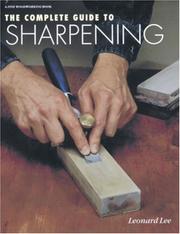
Then add the engineer's view. The Complete Guide to Sharpening by Leonard Lee — founder of Lee Valley Tools — covers every edge in the house, kitchen included, with an unsentimental focus on what's actually happening to steel at the edge. Lee is the book that inoculates you against sharpening mythology. Alongside it, The Razor Edge Book of Sharpening by John Juranitch — from a man who shaved with an axe to prove a point — hammers the fundamentals: burr formation and removal beat exotic equipment, every time.
For craft and culture, Sharp by Josh Donald of San Francisco's Bernal Cutlery pairs sharpening instruction with knife knowledge and chef interviews — the book that makes you want to maintain your edges, which matters as much as knowing how. And if the steel itself starts calling to you, The Pattern-Welded Blade by Jim Hrisoulas is the deep end: how blades are forged in the first place.
The habit: one cheap knife, every Sunday
Buy one inexpensive knife as your training blade and sharpen it every Sunday, whether it needs it or not. Use the marker trick — ink the bevel, and let where the ink disappears tell you your true angle. Ten minutes weekly builds the hand feel that no video conveys, and your good knives receive only the skill you've already proven on the beater. Test progress on a sheet of paper, not your thumb: a clean push-cut through newsprint is the honest report card.
This is a short path — about 50 hours of reading for a lifetime skill that upgrades every meal you prep. Follow the path, start at the knife sharpening hub, and see the cooking fundamentals hub for everything the sharp knife unlocks.
FAQ
- What stones do I actually need?
- A combination waterstone around 1000/6000 grit covers kitchen knives completely. Add a coarse stone later for repairing chips — but skip the drawer of exotic grits until freehand basics feel automatic.
- Is honing the same as sharpening?
- No — a honing rod realigns an edge between sharpenings but removes almost no steel, while sharpening on a stone creates a new edge. You hone weekly and sharpen when honing stops working; Ward’s book covers the rhythm well.
Get the books
- 1An Edge in the KitchenAmazon ↗Chad Ward
- 2The complete guide to sharpeningAmazon ↗Leonard Lee
- 3SharpAmazon ↗Josh Donald
- 4The pattern-welded bladeAmazon ↗Jim Hrisoulas
- 5The Razor Edge Book of SharpeningAmazon ↗John Juranitch
As an Amazon Associate we earn from qualifying purchases. Some book links are affiliate links; you pay the same price and we may earn a small commission.
Follow the full reading path


Sharpen kitchen knives properly
Beginner5books25 hrs4 stages
Ready to learn something deeply?
Build a reading path — free