Stained glass intimidates people for the wrong reason. Beginners fear the artistry — color, design, composition — when the actual gatekeeper is a mechanical skill: scoring and breaking glass cleanly along a line. That's a hand skill, learned through repetition on cheap glass, and no amount of reading substitutes for it. The good news: the reading list is mercifully short, so most of your hours go where they should — at the workbench.
Stained glass at home: a short reading path for a hands-on craft
July 9, 2026 · 2 min read
The path, stage by stage
Start with the craft itself. Stained Glass Craft by J.A.F. Divine is the compact classic that walks the whole process end to end: choosing and cutting glass, leading, soldering joints, cementing a panel so it's weatherproof and rigid. It's an old-school text in the best sense — no filler, just the sequence of operations a working glazier follows. Read it once straight through for the map, then keep it at the bench and reread each section right before you do that step for real.
Then get patterns, because your early projects should be someone else's designs. Birds and Butterflies Stained Glass Pattern Book by Ed Sibbett Jr. supplies dozens of proven, full-size patterns at a beginner-friendly scale. This matters more than pride wants to admit: a good pattern has already solved the structural problems — pieces that are cuttable shapes, lead lines that support the panel — so you can concentrate on execution. Work through several small pieces before designing your own; you'll absorb what makes a design buildable by building good ones.
A safety line that belongs in every stained glass article: this craft involves razor-edged glass, a hot soldering iron, and traditionally lead came and lead-bearing solder. Work in a ventilated space, wear eye protection, sweep and wipe surfaces rather than blowing dust, wash your hands before eating, and keep the work area strictly away from kids and food. None of this is hard — it just has to be habitual.
The habit: a cutting warm-up before every session
Before each session, spend ten minutes cutting practice shapes from scrap or bargain-bin glass: straight lines, gentle curves, then inside curves — the hardest cut in the craft. Score, break, repeat, and save the results so you can watch your edge quality improve week over week. Clean cutting is the skill that makes everything downstream — fitting, foiling or leading, soldering — dramatically easier, and it only comes from reps.
Time and the path
Two books is only about 20 hours of reading — this path is deliberately bench-heavy, and your real syllabus is the next ten small panels. Follow the path, or start at the stained glass hub. If working small and precise with your hands is the appeal, the jewelry making hub scratches the same itch.
FAQ
- Is stained glass expensive to start?
- Moderately. A glass cutter, breaking pliers, soldering iron, foil or lead, and starter glass typically run a few hundred dollars total. Buying scrap and bargain glass for practice keeps early costs down.
- Copper foil or lead came for a beginner?
- Copper foil (the Tiffany method) is more forgiving for small first projects and needs less equipment. Lead came suits larger panels and is worth learning once your cutting is consistent — the path’s core text covers the traditional process.
Get the books
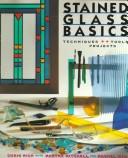
- 1Stained glass basicsAmazon ↗Chris Rich
- 2How to work in stained glassAmazon ↗Anita Isenberg
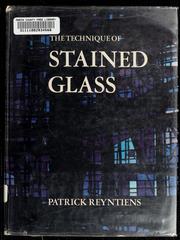
- 3The technique of stained glassAmazon ↗Patrick Reyntiens
- 4Stained glass craftAmazon ↗J. A. F. Divine
- 5Stained glassAmazon ↗Virginia Chieffo Raguin
- 6Masterworks of Louis Comfort TiffanyAmazon ↗Alastair Duncan
As an Amazon Associate we earn from qualifying purchases. Some book links are affiliate links; you pay the same price and we may earn a small commission.
Follow the full reading path

Craft stained glass at home
Beginner6books28 hrs2 stages
@craftsherpa♥ 0
Ready to learn something deeply?
Build a reading path — free