Here's the honest split in pottery: throwing is a body skill, and no book will teach your hands to center clay — only hours at the wheel do that. Where home potters actually stall is everything that happens after the pot is made. Glazing is chemistry, kilns are physics, and the difference between a mug you're proud of and a shivering, crazing disappointment is knowledge you can't acquire by feel. That's the part books are for, and it's exactly the part most beginners try to skip.
Make pottery at home: what to read when the wheel isn’t enough
July 9, 2026 · 2 min read
The path, stage by stage
This is a deliberately lean path, because most of your learning hours belong at the wheel, not the armchair. The anchor text is The Complete Guide to Mid-Range Glazes by John Britt — the standard reference for the cone 5–6 range that nearly every home electric kiln fires to. Britt does three things beginners desperately need. First, he explains what a glaze actually is: glass formers, fluxes, and stabilizers in balance, not a magic recipe. Second, he catalogs base glazes and colorant behavior so you can predict, roughly, what will come out of the kiln instead of praying. Third, he teaches you to read defects — crawling, pinholing, crazing — as diagnostic information rather than bad luck.
Read Britt the way a cook reads a technique book, not a novel: skim the theory chapters first so the vocabulary lands, then return section by section as your pots demand it. The chapters on testing and on adjusting recipes matter more than any individual glaze in the book, because they turn every firing into an experiment you learn from.
Around the reading, structure your bench time in stages: cylinders until they're boring, then bowls, then lidded forms — and glaze tests riding along in every single firing. If you don't own a kiln yet, community studios and kiln-share services will fire your work; ask what cone and clay bodies they support before you buy a bag of clay, because the glaze chemistry has to match the firing.
The habit: a test tile in every firing
The habit that separates potters who improve from potters who plateau: never fire a kiln without test tiles in it. Make a batch of small upright tiles from your usual clay body, and every firing gets two or three carrying a new glaze combination, thickness, or overlap — labeled, in a notebook, with the recipe and the result. In a year you'll have a personal glaze library calibrated to your kiln, which is worth more than any published recipe.
The reading here is only about 10 hours — the other several hundred happen with wet hands. Follow the path or start at the pottery hub. If methodical craft-plus-chemistry is your kind of fun, the stained glass hub scratches the same itch.
FAQ
- Can I learn pottery without a class?
- Throwing is much faster to learn with an instructor watching your hands, so a beginner course is worth it if one exists near you. The glaze and kiln knowledge, though, is genuinely book-learnable — and it’s the part classes usually rush.
- Why focus on mid-range (cone 5–6) glazes?
- Because that’s what home electric kilns fire to. High-fire reduction glazes from studio books simply won’t behave in your kiln, so a mid-range reference matches the equipment you actually own.
Get the books
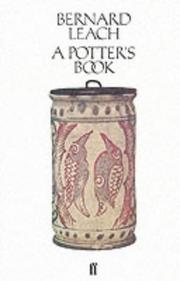
- 1A potter's bookAmazon ↗Bernard Leach
- 2Finding one's way with clayAmazon ↗Paulus Berensohn
- 3The craft and art of clayAmazon ↗Susan Peterson
- 4The complete potter's companionAmazon ↗Birks, Tony.
- 5Making pottery you can useAmazon ↗Jacqui Atkin
- 6Throwing PotsAmazon ↗Phil Rogers
As an Amazon Associate we earn from qualifying purchases. Some book links are affiliate links; you pay the same price and we may earn a small commission.
Follow the full reading path

Make pottery at home
Beginner12books83 hrs3 stages
@craftsherpa♥ 0
Ready to learn something deeply?
Build a reading path — free