Spanish is one of the most learnable languages for English speakers — shared alphabet, thousands of cognates, phonetic spelling — and yet most self-learners quit within months. The failure pattern is always the same: grinding vocabulary lists and grammar drills with no theory of how languages are actually acquired, then interpreting the inevitable plateau as lack of talent. The counterintuitive fix is to spend your first weeks reading about method, in English, before doubling down on the Spanish itself.
Learn Spanish with Books: Methods That Actually Work, in Order
July 11, 2026 · 3 min read
Why order matters here
An hour spent understanding acquisition science saves hundreds of hours of ineffective drilling. This path runs: how languages are learned, how memory works, then structured practice, then real Spanish literature as the payoff and the engine.
Stage 1: How languages are actually acquired
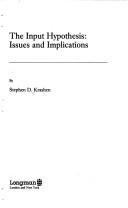
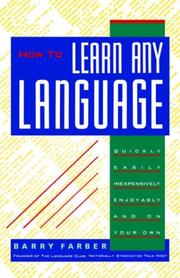
Start with The Input Hypothesis by Stephen Krashen — the influential argument that languages are acquired through comprehensible input (messages you mostly understand) rather than through rule memorization. Krashen's strong claims are debated in linguistics, and this path treats them as a powerful working theory rather than final truth; even his critics concede that massive input is non-negotiable. Then Fluent Forever by Gabriel Wyner, the best practical system in print: pronunciation first, spaced-repetition flashcards built from images instead of translations, and grammar absorbed through examples. How to Learn Any Language by Barry Farber adds the veteran polyglot's toolkit — his multiple-track attack mixes methods shamelessly, a good corrective to any single-method purism.
Stage 2: How practice and memory work
Peak by Anders Ericsson gives you deliberate practice — the research on why naive repetition plateaus and focused, feedback-driven practice doesn't. Ultralearning by Scott Young turns that into an aggressive self-directed project design: directness (practice the actual skill), drills for weaknesses, and retrieval over review. And Mindset by Carol Dweck handles the psychology; the belief that language talent is fixed is the single most common reason adults quit, and it's false.
Stage 3: Structured Spanish
Now the language itself. Practice Makes Perfect by Gilda Nissenberg is the workhorse: systematic grammar exercises to run alongside — never instead of — your daily input. Becoming Fluent by Richard Roberts, written by cognitive scientists specifically for adult learners, explains what adults do better than children (metacognition, vocabulary leverage) and how to exploit it. Between these, your daily diet should be listening and reading at your level; the books tell you how to choose it.
Stage 4: Read real Spanish
The destination and the accelerant. Dreaming in Cuban by Cristina García is a bridge — an English-language novel steeped in Cuban and Spanish-inflected life, good for cultural context while your Spanish builds. The summit is Cien años de soledad by Gabriel García Márquez, read in Spanish: the moment you're working through Macondo in the original, the method books have done their job. Start with a dictionary and humility; finish with the best novel in the language.
How to actually study this
Read stage one in week one, then start daily Spanish input immediately — the method books work alongside practice, not before it. Build a spaced-repetition deck per Wyner from day one, do grammar exercises in short daily doses, and track listening hours rather than streak days. Expect the plateau around month three; that's when stage two matters most.
The full staged sequence is the full reading path. Related language paths live at the subject hub, or browse all paths.
FAQ
- Can you learn Spanish just from books?
- Books teach you the method and the grammar, but acquisition requires massive listening and reading input plus speaking practice. Use books as the operating manual for a daily practice habit.
- How long does it take to learn Spanish?
- The US Foreign Service estimates roughly 600–750 class hours for English speakers to reach professional working proficiency. Consistent daily input gets most learners conversational within a year.
- When should I start reading real books in Spanish?
- Sooner than feels comfortable — graded readers early, then native material once you understand most of a page. García Márquez in the original is a milestone worth training toward.
Get the books
- 1Fluent foreverAmazon ↗Gabriel Wyner
- 2The input hypothesisAmazon ↗Stephen D. Krashen
- 3How to learn any languageAmazon ↗Barry Farber
- 4Dreaming in CubanAmazon ↗Cristina García
- 5Practice Makes PerfectAmazon ↗Gilda Nissenberg
- 6Amazon ↗
As an Amazon Associate we earn from qualifying purchases. Some book links are affiliate links; you pay the same price and we may earn a small commission.
Follow the full reading path

Learn Spanish: methods that work
Beginner10books75 hrs5 stages
Ready to learn something deeply?
Build a reading path — free