The reason most habits fail isn't weak willpower — it's relying on willpower at all. The science of behavior change points somewhere else entirely: to systems, cues, and environment. A good reading path replaces the motivation myth with an actual model of how habits form, then layers on the psychology, neuroscience, and design that make change stick.
Build better habits: the books, from mental model to lasting change
July 6, 2026 · 1 min read
The path, stage by stage
Our habits path builds the model, then the mechanisms.
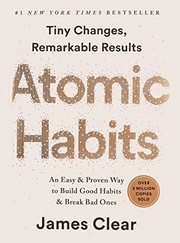
Foundations — a mental model. Duhigg's The Power of Habit (cue–routine–reward) and Clear's Atomic Habits (the practical system). The loop you're working with.
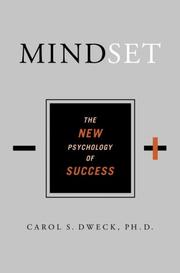
The psychology layer — motivation and willpower. Dweck's Mindset, Baumeister's Willpower, and the Heath brothers' Switch (how change actually happens, in individuals and organizations).
The neuroscience layer. The Molecule of More (dopamine's real job) and Good Habits, Bad Habits (Wendy Wood's research on how context, not willpower, drives most behavior).
Design and systems. Thaler & Sunstein's Nudge and Kahneman's Thinking, Fast and Slow — engineering the environment so the default is the good choice.
Advanced — clinical frameworks. Changing for Good (the stages-of-change model) and The Willpower Instinct.
The habit: change one cue, not one behavior
The most actionable idea across this whole path: don't try to change a behavior directly — change its cue or its environment. Move the phone to another room, lay out the running shoes, delete the app. Behavior follows design far more reliably than it follows resolve, and this is where reading turns into results.
Around 83 hours. Follow the path or browse the habits hub. It's the science under productivity and draws on psychology.
FAQ
- Atomic Habits or The Power of Habit?
- The Power of Habit for the underlying model (the habit loop), Atomic Habits for the practical system to act on it. The path reads both in the foundations stage for exactly that reason.
- Why read the neuroscience and clinical books?
- Because they explain why the simple advice works — and when it won’t. Understanding dopamine and the stages of change keeps you from blaming yourself when willpower-based approaches fail, which they’re designed to.
Get the books
- 1The Power of HabitAmazon ↗Charles Duhigg
- 2Atomic HabitsAmazon ↗James Clear
- 3MindsetAmazon ↗Carol S. Dweck
- 4WillpowerAmazon ↗Roy F. Baumeister
- 5SwitchAmazon ↗Chip Heath
- 6Molecule of More, TheAmazon ↗Daniel Z. Lieberman
As an Amazon Associate we earn from qualifying purchases. Some book links are affiliate links; you pay the same price and we may earn a small commission.
Follow the full reading path

How to learn Habits & behavior change
Beginner11books84 hrs5 stages
@worksherpa♥ 0
Ready to learn something deeply?
Build a reading path — free