Japanese has a reputation as an impossible language, and the reputation is wrong in an important way: Japanese is not too hard, it is long. Three writing systems, thousands of kanji, grammar that works nothing like English — none of it is conceptually difficult, but all of it takes time. Which means the learners who succeed are not the most gifted; they are the ones who picked an efficient method early and sequenced their materials so motivation survived the long middle.
That is what this path is: method first, then a gentle on-ramp, then the standard course, with the kanji system and reference works layered in at the right moments.
Stage zero: learn how to learn a language
Before any Japanese, read Fluent forever by Gabriel Wyner. It is the best practical book on language acquisition for self-learners — pronunciation first, spaced-repetition flashcards, and vocabulary through images rather than translation. One book here will save you hundreds of hours downstream, because Japanese punishes inefficient study more than most languages. For sober expectations about the whole journey, Outliers by Malcolm Gladwell is on the path as a companion piece: whatever you think of the ten-thousand-hour framing, its core point stands — mastery is accumulated practice, not talent.
Stage one: a gentle on-ramp
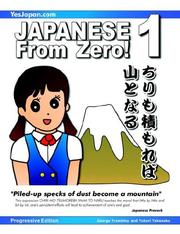
Japanese From Zero! 1 by George Trombley is the friendliest true-beginner book in print — it introduces hiragana progressively and gets you producing simple sentences without drowning you. Some learners skip straight to a formal textbook; if you have ever bounced off one, this is the fix.
Stage two: the standard course
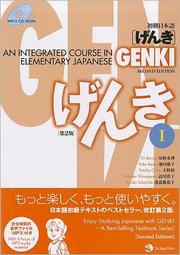
Genki I by Eri Banno is the closest thing Japanese has to a canonical beginner textbook — used in university programs everywhere, with dialogues, drills, and workbook exercises that build a genuine foundation through roughly the first year. Work it cover to cover, doing the exercises; this is the spine of the path.
Stage three: crack the kanji
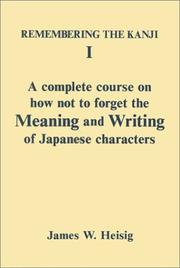
Remembering the Kanji I by James W. Heisig is the famous — and famously debated — system for learning to write and recognize all the general-use kanji through imaginative mnemonics. Its trade-off is real: you learn meanings and writing first, readings later. Run it alongside Genki rather than instead of it, and the writing system stops being the wall it is for most learners.
Stage four: reference and real reading
A dictionary of basic Japanese grammar by Seiichi Makino is not a book you read; it is the book you consult every week for years — the clearest explanations of every beginner grammar point, with example sentences that actually disambiguate. Keep it at your desk from Genki onward. Then, when you are ready for the leap that matters most, Read Real Japanese Fiction by Michael Emmerich walks you through actual short stories by contemporary authors with facing-page translations and notes — the bridge from textbook Japanese to the real thing.
How to actually study this
Daily beats heroic: thirty minutes every day outruns four hours on Sunday. Start spaced-repetition flashcards in week one and never stop. Speak out loud from the beginning, even alone — reading knowledge does not convert to speaking on its own. And set milestone rewards: finishing Genki I, your first hundred kanji, your first real short story. The language is long; the path is designed so you can see yourself moving.
The full staged sequence with study plans is at the full reading path. Related language and learning paths live at the subject hub, or build your own list.
Ready to learn something deeply?
Build a reading path — free