Most sewing machines are abandoned within a year, and it's rarely the machine's fault. Beginners start with an ambitious garment, hit a fitting problem the pattern envelope never warned them about, and conclude they "can't sew." The truth: sewing is a stack of small, learnable skills, and fit is the last one, not the first.
Sewing and clothing repair: the reading path from first stitch to real fit
July 9, 2026 · 2 min read
The path, stage by stage
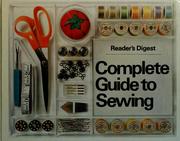
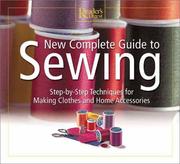
Start with a reference that treats sewing as a complete system. The Reader's Digest Complete Guide to Sewing from the Reader's Digest Association has been the field's standard desk reference for decades — seams, hems, zippers, fabric behavior, all indexed so you can look up exactly the thing that's confusing you mid-project. Pair it with Sewing for Dummies by Janice Saunders Maresh, which does the thing references won't: hold your hand through threading the machine, winding a bobbin, and sewing a straight line without shame.
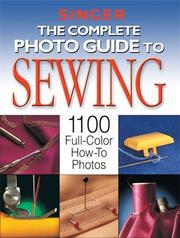
When words aren't enough, pictures are. The Complete Photo Guide to Sewing by the Editors of Creative Publishing International shows every technique step by step in clear photography — this is the book to keep open next to the machine, because a photo of a correctly inserted zipper answers questions a paragraph never will.
Then move from repair to construction. The Colette Sewing Handbook by Sarai Mitnick teaches garment sewing as a thoughtful practice — five projects that build real skills in order. Fabric-by-Fabric One-Yard Wonders by Rebecca Yaker gives you dozens of small, fast projects, which matters more than it sounds: finished objects are the fuel that keeps a beginner sewing.
Finally, the boss level: fit. Fit for Real People by Pati Palmer teaches tissue-fitting — adjusting patterns to an actual human body instead of the imaginary one the pattern company drafted for. This is the book that turns "homemade" into "tailored," and it only makes sense once construction is second nature. Read it too early and it's abstract; read it after ten finished garments and every page lands.
The habit: the weekly mend basket
Keep a basket of clothes that need work — loose buttons, popped hems, small tears — and clear one item every week. Mending is the perfect practice loop: real stakes, low cost, ten-minute sessions, and every repair drills a fundamental (hand stitches, seam ripping, matching thread, working with an already-constructed garment). By the time the basket runs empty, machine work will feel routine.
Time and the path
Eight books at a realistic reading-and-practicing pace is roughly 80 hours — spread over months of weekend projects, not a sprint. The order matters more than the speed. Follow the path, or start from the sewing hub. If fit becomes your obsession, the tailoring hub is the natural next climb.
FAQ
- Do I need an expensive sewing machine to learn?
- No. A basic mechanical machine that sews a reliable straight stitch and zigzag covers everything in the first several books. Skill and fabric choice matter far more than features.
- Should I learn hand sewing or machine sewing first?
- Learn both in parallel. Hand stitches carry most repairs and mending, while the machine handles construction. The mend-basket habit builds hand skills while your machine projects build the rest.
Get the books
- 1Reader's digest complete guide to sewing.Amazon ↗Reader's Digest Association
- 2The Complete Photo Guide to SewingAmazon ↗Editors of Creative Publishing International
- 3Complete Guide to SewingAmazon ↗Reader's Digest Association
- 4Sewing for dummiesAmazon ↗Janice Saunders Maresh
- 5The Colette sewing handbookAmazon ↗Sarai Mitnick
- 6Fabric-by-fabric one-yard wondersAmazon ↗Rebecca Yaker
As an Amazon Associate we earn from qualifying purchases. Some book links are affiliate links; you pay the same price and we may earn a small commission.
Follow the full reading path
Sew and mend your own clothes
Beginner8books64 hrs4 stages
@craftsherpa♥ 0
Ready to learn something deeply?
Build a reading path — free