Ready-to-wear clothing is drafted for a statistical average that almost nobody is. That's why nothing quite fits — and why the people who look effortlessly well-dressed usually have either a tailor or tailoring skills. Most beginners get the order wrong, though: they start by attacking a beloved garment with a seam ripper and no plan, ruin it, and conclude alterations are beyond them. The skill stack goes the other way — sewing mechanics first, fit theory second, construction knowledge third. In that order, alterations become almost boringly predictable.
Tailoring and clothing alteration: make everything you own fit
July 9, 2026 · 2 min read
The path, stage by stage
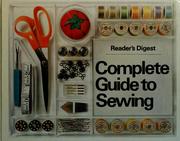
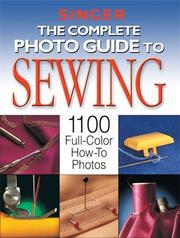
The path starts with the machine and the fundamentals. The Reader's Digest Complete Guide to Sewing is the legendary reference — seams, hems, fabrics, techniques, all of it — and The Complete Photo Guide to Sewing from Creative Publishing covers the same ground with the step-by-step photography that makes technique unambiguous. Between them, every mechanical operation an alteration requires is documented.
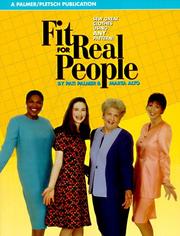
Then comes the conceptual heart of the path: Fit for Real People by Pati Palmer, which teaches the thing no amount of sewing skill substitutes for — diagnosing fit. Where the drag lines point, what a gaping armhole means, how to pin-fit on an actual human. This is the book that turns "it doesn't look right" into a specific, fixable adjustment. Adele P. Margolis' The Complete Book of Tailoring then opens up garment construction itself — how jackets and trousers are actually built inside — because you can only confidently alter what you understand. Finally, Lori A. Knowles' The Practical Guide to Patternmaking for Fashion Designers shows where the shapes come from in the first place, the knowledge that separates hemming from real tailoring.
Notice what the sequence does: mechanics, then diagnosis, then construction, then design. Most self-taught sewists stop after the first stage and wonder why their alterations look homemade — the answer is almost always a fit-diagnosis gap, not a stitching one, which is why Palmer's book sits at the center of the path rather than the end.
The habit: practice on the thrift-store rack
The habit that builds alteration skill fastest: a steady supply of low-stakes garments. Buy structurally interesting pieces at the thrift store — a few dollars each — and perform one deliberate alteration per week: take in a shirt's side seams, recut a jacket sleeve, move a button stance, reshape trousers. You get repetitions on real construction with zero fear of ruining anything, and the failures teach more than the successes. Your own wardrobe becomes the graduation project, not the practice field.
Expect around 50 hours of reading, best done next to a machine. Follow the path or start at the tailoring hub. The broader craft lives at the sewing hub if you'd rather build garments from scratch.
FAQ
- What alterations should a beginner learn first?
- Hems, then taking in side seams, then sleeve and trouser length. These cover most of what makes off-the-rack clothes look wrong, use basic techniques, and build directly toward harder work like shoulders and jacket bodies.
- Do I need a special sewing machine for alterations?
- No — a reliable basic machine with a straight stitch and zigzag handles the large majority of alteration work. Skill in pressing and hand-finishing matters far more than machine features; the books are emphatic on this point.
Get the books
- 1Reader's digest complete guide to sewing.Amazon ↗Reader's Digest Association
- 2The Complete Photo Guide to SewingAmazon ↗Editors of Creative Publishing International
- 3Fit for real peopleAmazon ↗Pati Palmer
- 4The complete book of tailoringAmazon ↗Adele P. Margolis
- 5The Practical Guide To Patternmaking For Fashion DesignersAmazon ↗Lori A. Knowles
As an Amazon Associate we earn from qualifying purchases. Some book links are affiliate links; you pay the same price and we may earn a small commission.
Follow the full reading path
Tailor your clothes to fit perfectly
Beginner5books48 hrs3 stages
@craftsherpa♥ 0
Ready to learn something deeply?
Build a reading path — free