Sculpture intimidates people because it is unforgiving in three dimensions. A drawing hides its weaknesses at certain angles; a sculpture is wrong from every side at once. That is also what makes it so satisfying to learn — and why a haphazard approach fails. Beginners tend to grab clay and start pushing, only to discover their real problem is that they cannot yet SEE form. The hands are fine; the eye is untrained.
So the right order front-loads seeing and anatomy, then moves to material and technique. Skip the foundation and you will fight the same problems in every piece.
Before we begin, the honest part: books can teach you principles and give you a plan, but sculpture is a physical craft learned in the hands. No book replaces the hours at the stand, and where you use sharp tools, kilns, or heavy stone, take real safety and, ideally, in-person instruction seriously.
Train the eye first
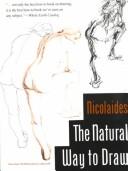
Start with drawing, because sculptors think through it. The Natural Way to Draw by Kimon Nicolaides is a rigorous course built on gesture and sustained study — it teaches you to perceive form and volume, which is the foundation of everything sculptural. Then add structure with Anatomy for the Artist by Sarah Simblet, whose photographs and drawings map the body’s underlying architecture so you understand what is beneath the surface you are shaping.
Get your hands in the clay
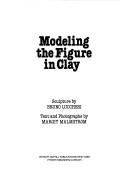
Now model. Modeling the Figure in Clay by Bruno Lucchesi is a classic, step-by-step guide to building the human figure in clay from the inside out — arguably the best hands-on starting point on this list. Support it with The Sculptor’s Way by Brenda Putnam, a warm, practical mentor of a book that walks a beginner through the process, problems, and mindset of making sculpture.
Understand materials and methods
To move beyond clay, get the technical grounding. The Technique of Sculpture by John Mills surveys the actual methods — modeling, casting, carving — and the history behind them, so you understand your options and their trade-offs. Pair it with Sculpture: Principles and Practice by Louis Slobodkin, a broad and approachable overview of materials and approaches that helps you choose a direction.
Learn from a master
Finally, study greatness closely. The Sculpture of Auguste Rodin by John Tancock is a deep look at the artist who dragged sculpture into the modern era — reading it teaches you to analyze how a master handled surface, gesture, and expression, and gives you standards to aim at.
How to actually study it
Draw daily, even briefly; it keeps the eye sharp between sculpting sessions. Work small and finish pieces rather than chasing one perfect masterwork — completed studies teach more than abandoned ambitions. Photograph your work from several angles, because the camera reveals the errors your eye forgives. And whenever you can, get feedback from a working sculptor or a class; a book cannot see your piece in the round the way a teacher can.
Want the staged plan? Follow the full reading path, explore the subject hub, or browse related art and craft paths.
Ready to learn something deeply?
Build a reading path — free