Ask adults to draw a face and most produce the same symbol they drew at ten — circle, dots, curve. That's the actual problem: not unskilled hands but symbolic seeing. Drawing instruction that works retrains perception first, and the canonical books do it so reliably that "I can't draw" rarely survives contact with them.
Learn to draw what you see (it’s a seeing skill, not a gift)
July 9, 2026 · 1 min read
The path, stage by stage
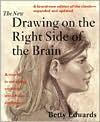
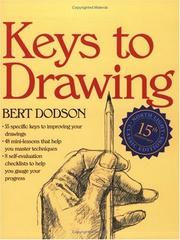
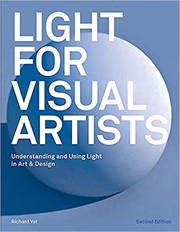
Our drawing path opens with the book that proved drawing is teachable: Betty Edwards' The New Drawing on the Right Side of the Brain — its exercises (drawing upside-down, negative spaces) trick the symbol system offline and the results startle people. Bert Dodson's Keys to Drawing builds the daily practice, and Kimon Nicolaïdes' The Natural Way to Draw is the demanding classic course for when you're hooked. Then the craft deepens: Perspective Made Easy, Light for Visual Artists on how illumination actually behaves, and Andrew Loomis's legendary Figure Drawing for All It's Worth.
The habit: a sketchbook with a rule
One sketchbook, one rule: draw daily, date every page, never tear one out. The dated pages become the motivation engine — flip back sixty days and the progress is undeniable, which is exactly the fuel adult learners need. Ten observational minutes a day beats a weekly masterpiece attempt.
About 95 hours of reading across a year of sketchbooks. Follow the path — it feeds directly into watercolor and digital illustration.
FAQ
- Is drawing really learnable, or do you need talent?
- Betty Edwards spent a career demonstrating it’s learnable — her before/after student drawings (in the book) are the proof. "Talent" is mostly a head start; perception training is the actual mechanism, and it’s available to anyone.
- Pencil and paper or a tablet?
- Start on paper — it’s cheaper, and undo-free drawing trains commitment to the mark. The perception skills transfer wholesale to digital when you’re ready for it.
Get the books
- 1The New Drawing on the Right Side of the BrainAmazon ↗Betty Edwards
- 2Keys to drawingAmazon ↗Bert Dodson
- 3Light for Visual Artists Second EditionAmazon ↗Richard Yot
- 4The natural way to drawAmazon ↗Kimon Nicolaïdes
- 5Figure Drawing for All It's WorthAmazon ↗Andrew Loomis
- 6Fun With a PencilAmazon ↗Andrew Loomis
As an Amazon Associate we earn from qualifying purchases. Some book links are affiliate links; you pay the same price and we may earn a small commission.
Follow the full reading path
Learn to draw what you see
Beginner8books41 hrs4 stages
@craftsherpa♥ 0
Ready to learn something deeply?
Build a reading path — free