Printmaking is one of the most rewarding visual crafts precisely because it is a craft: the image emerges through a process — carving, inking, pressure, paper — rather than a single gesture. That process is also what makes it hard to self-teach from scattered tutorials. There are many methods (relief, intaglio, screen, litho), and jumping into etching before you understand basic registration and ink is a fast route to frustration. A sensible reading order starts you with the simplest technique, gets you actually pulling prints, and then opens up the full toolbox. Be honest with yourself, though: books complement studio time, they do not replace it, and some techniques involve sharp tools, acids, and solvents that demand real safety habits and ventilation.
Learn Printmaking: Best Books in Order
Stage one: start with relief
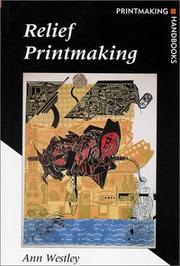
The friendliest entry is relief printing, where you carve a block and print what stands up. Relief Printmaking by Ann Westley is a clear introduction to the whole family of relief methods, and Linocut for Artists and Designers by Nick Morley is a modern, encouraging guide that gets you cutting lino and pulling your first prints quickly. Begin here, make a dozen small prints, and you will have the core habits — carving safely, inking evenly, registering paper — that every other technique builds on.
Stage two: the full range of techniques
Once relief feels natural, widen out. Printmaking by Bill Fick is a solid survey that introduces the major processes and how artists actually use them, giving you a sense of what each technique is good for before you invest in equipment. This is the stage to discover whether screen printing, etching, or something else calls to you.
Stage three: the reference shelf
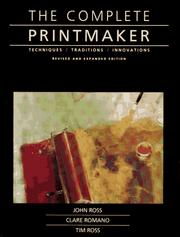
As you commit, you want depth on demand. The Complete Printmaker by John Ross is a classic, comprehensive reference covering technique after technique, and The printmaking bible by Ann D'Arcy Hughes is the modern, richly illustrated encyclopedia many print studios keep on the shelf. You will not read these cover to cover — you will reach for the relevant chapter the day you try a new method.
How to actually study it
Read a technique, then do the smallest possible version of it that same week — printmaking is muscle memory and material intuition, not theory. Keep every proof, including the failures, and note on the back what you changed; your archive becomes your best teacher. Respect the materials: cut away from your hands, ventilate, and follow the safety guidance in these books literally, especially for etching and solvents. If you can, get near a shared studio or a class — a press and a knowledgeable neighbor accelerate everything a book starts.
Follow the path on the full reading path, explore the subject hub, or browse related art and craft paths.
FAQ
- What kind of printmaking should a beginner start with?
- Relief printing, especially linocut — it needs the least equipment and teaches carving, inking, and registration. Relief Printmaking and Linocut for Artists and Designers are ideal starting points.
- Can I learn printmaking from books alone?
- Books teach the methods and safety, but printmaking is a hands-on craft. Pair reading with regular practice, and use a shared studio or class for press-based techniques when you can.
Get the books
- 1PrintmakingAmazon ↗Bill Fick
- 2The Complete PrintmakerAmazon ↗Ross, John
- 3Relief PrintmakingAmazon ↗Ann Westley
- 4Linocut for Artists and DesignersAmazon ↗Nick Morley
- 5The printmaking bibleAmazon ↗Ann D'Arcy Hughes
As an Amazon Associate we earn from qualifying purchases. Some book links are affiliate links; you pay the same price and we may earn a small commission.
Follow the full reading path

Learn printmaking: from lino to etching
Ready to learn something deeply?
Build a reading path — free