Oil paint is the medium that gives you the most control and the richest color, which is exactly why it intimidates beginners: there is a lot to get wrong before anything looks good. Learning it is deeply rewarding, but hard to self-teach, because the skill braids together drawing, color, materials, and technique — and a book that dives into brushwork before you can draw or mix a color will just leave you frustrated.
Painting is a physical craft. These books explain and demonstrate, but paint learns through your hand: you improve by putting in hours at the easel, and no page substitutes for that. A caution on materials, too — solvents and some pigments are toxic, so ventilate your space and handle them with care.
Why order matters here
Start with an advanced master study and you will feel hopeless. Start with setup, drawing, and color, and each later book asks something you are actually ready to do. Foundations first.
The path, stage by stage
Begin at zero. Oil painting for the absolute beginner by Mark Willenbrink covers materials, brushes, and first exercises with no assumed knowledge — the gentlest possible start. Follow it with The oil painting course you've always wanted by Kathleen Lochen Staiger, a structured, progressive course that builds real fundamentals step by step.
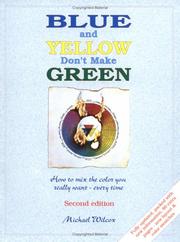
Before you chase realism, fix the two things every beginner fumbles: color and drawing. Blue and Yellow Don't Make Green by Michael Wilcox is a clarifying book on how pigments actually mix — it fixes months of muddy failures. Keys to drawing by Bert Dodson trains the seeing-and-drawing skill that underpins all representational painting, because you cannot paint what you cannot draw.
Then deepen your understanding of how paintings work. Color and light by James Gurney is the modern classic on rendering believable light and atmosphere — endlessly re-readable. The painter's handbook by Mark David Gottsegen is the reference for materials, permanence, and safe practice, the book that keeps your work from cracking and yourself from harm.
Finally, learn from the masters of direct painting. Alla prima by Schmid, Richard is a revered treatise on painting confidently in one session, and The practice of oil painting and of drawing as associated with it by Solomon J. Solomon is a classic older text linking sound drawing to sound painting. Both reward you far more once your fundamentals are in place.
How to actually study this
Paint alongside the reading — do every exercise, however humble. Make a color chart from Blue and Yellow Don't Make Green and keep it by your palette. Work small and often rather than chasing one big masterpiece. Photograph your studies in sequence so you can see the improvement you will not feel day to day. And when a technique book loses you, it usually means a fundamental needs more hours, not that you should push ahead.
Read the beginner and color books cover to cover; use the handbook and master texts as ongoing references. See the full reading path for the staged study plan, and the subject hub for links to drawing and other painting media. Browse related crafts at /subjects.
Ready to learn something deeply?
Build a reading path — free