Real estate investing has a peculiar failure mode: the education most people get is a highlight reel. Podcasts and gurus sell the outcome — passive income, financial freedom — while the actual work lives in spreadsheets, lease clauses, and 2 a.m. plumbing calls. The gap between those two pictures is where new investors lose money.
Books close that gap, but only in the right order. Motivation first, then money management, then deal analysis, then operations. Skip a stage and the later ones will hurt.
Stage one: mindset, with a grain of salt
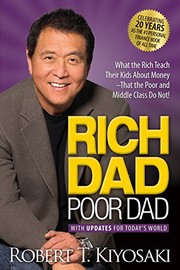
Rich Dad, Poor Dad by Robert T. Kiyosaki is on this path for one reason: it flips the mental switch from earning to owning, and for many investors it was the first domino. Read it for that reframe — assets versus liabilities — and hold its specifics loosely; critics rightly note it is thin on actionable detail. Then read Set for life by Scott Trench, which supplies what Kiyosaki skips: a concrete plan for building the savings runway and frugal foundation that make a first property possible without desperation.
Stage two: learn to run the numbers
This is the stage that separates investors from speculators. What every real estate investor needs to know about cash flow by Frank Gallinelli teaches the core financial measures — cap rate, cash-on-cash return, net operating income — and how to compute them honestly. Pair it with The millionaire real estate investor by Gary Keller, which distills patterns from hundreds of investors into usable models for thinking about criteria, deals, and scale.
Stage three: buy and operate
The Book on Rental Property Investing by Brandon Turner is the practical playbook for the buy-and-hold strategy most beginners should start with: finding, financing, and analyzing rentals. Once you own a door, two books keep you out of trouble. Every landlord's legal guide by Marcia Stewart covers leases, deposits, repairs, and fair-housing law — the mistakes that turn into lawsuits. And The book on managing rental properties by Brandon Turner covers the day-to-day: screening tenants, setting rent, handling turnover.
Stage four: keep what you make
Tax-free wealth by Tom Wheelwright explains why real estate is one of the most tax-advantaged asset classes — depreciation, deductions, exchanges — and how investors legally structure around that. Read it last; it only makes sense once you understand the underlying deals.
How to actually study this
Turn stage two into practice immediately: analyze one real listing per week with Gallinelli's measures, even though you are not buying yet. Ten paper analyses will teach you your market's real numbers before your money is at risk. And remember that leverage cuts both ways — a mortgage amplifies losses as efficiently as gains. None of this is financial advice; it is preparation so that the advice you do get, you can evaluate.
The staged sequence with study plans lives in the full reading path. Related money paths are collected at the subject hub, or browse all paths.
Ready to learn something deeply?
Build a reading path — free