Here is the strange thing about buying a first home: it is the largest financial decision most people ever make, and most of us walk into it with less preparation than we would bring to buying a used car. Everyone else at the table — agent, lender, seller — does this for a living. The reading you do beforehand is how you stop being the least-informed person in your own transaction.
Order matters because home buying is really three problems in sequence: getting your finances ready, understanding the financing, and then running the search and negotiation. Read them in that order and each stage protects the next.
Stage one: get your money ready first
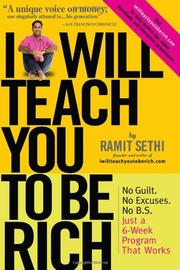
A house bought on shaky finances becomes a trap. The total money makeover by Dave Ramsey is a blunt, effective program for clearing debt and building the emergency fund you need before a mortgage is safe — you can take his plan without taking his every opinion. Then I will teach you to be rich by Ramit Sethi adds the automation layer: a system for savings and spending that tells you, with actual numbers, how much house you can afford without wrecking the rest of your life.
Stage two: understand the mortgage before you shop
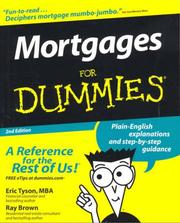
The financing is where first-timers lose the most money invisibly. Mortgages for dummies by Eric Tyson demystifies rates, points, terms, and preapproval — the vocabulary you need to comparison-shop lenders instead of taking the first offer. Then widen out with Home buying kit for dummies by the same author, a soup-to-nuts walkthrough of the whole process: agents, inspections, closing costs, and the paperwork nobody explains.
Stage three: search and negotiate like you have done this before
100 questions every first-time home buyer should ask by Ilyce R. Glink is exactly what it sounds like, and it is the book to keep open during your search — it arms you with the questions that surface problems before they are yours. Finish with The Book on Negotiating Real Estate by J Scott, which turns the scariest part of the process into a learnable skill: offers, counteroffers, inspection credits, and when to walk away.
How to actually study this
Read stage one with your actual bank statements open; the books only work when applied to your real numbers. In stage two, build a one-page glossary of mortgage terms as you go — you will use it in every lender conversation. In stage three, practice on listings you do not intend to buy: tour open houses, run the questions, estimate what you would offer. Rehearsal is cheap; regret is not. And a note of restraint: the right time to buy is when your finances and life plans say so, not when the market's mood does.
The complete staged path with study plans is at the full reading path. For adjacent money topics, see the subject hub, or browse all paths.
Ready to learn something deeply?
Build a reading path — free