Raised-bed gardening has a dirty secret: the bed is the easy part. Anyone can screw four boards together in an afternoon — and then fill the box with bagged "garden soil," overplant it in May, and harvest a disappointing salad in July. People stall at this subject because they invest in carpentry and improvise the agronomy, when it is precisely the other way around: what happens in the soil and the spacing determines everything. This path spends one book on the box and the rest on what goes in it.
Raised-Bed Gardening: The Best Books, in the Order to Read Them
July 9, 2026 · 2 min read
The path, stage by stage
Start with Raised-Bed Gardening for Beginners by Tammy Wylie for the box itself: siting, dimensions, filling, and a first season's plan, without overcomplication. Then immediately read All New Square Foot Gardening by Mel Bartholomew, the classic system for intensive spacing — a grid, a soil mix, and a per-square planting logic that makes a small bed astonishingly productive and makes overplanting nearly impossible.
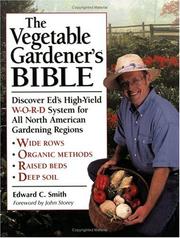
Then go deep on the growing itself. The Vegetable Gardener's Bible by Edward C. Smith is the reference you will reach for all season — his wide-deep-raised system plus crop-by-crop guidance on everything from tomatoes to leeks. If your beds live on a patio or balcony, his The Vegetable Gardener's Container Bible translates the same system to pots.
The stage most gardeners skip is the one that compounds: soil biology. Teaming with Microbes by Jeff Lowenfels explains the soil food web — why feeding the organisms beats feeding the plants, and what mulch, compost, and not-tilling actually do underground. Follow it with The Living Soil Handbook by Jesse Frost, a working no-till market gardener's playbook for keeping soil covered, planted, and undisturbed. Your third-year beds will outgrow your first-year beds for reasons these two books explain. For seasoning, Carrots Love Tomatoes by Louise Riotte is the charming old companion-planting compendium — treat it as folklore with a decent hit rate and let your own logs adjudicate.
The habit: the ten-minute bed walk
Twice a week, walk your beds with a small notebook: what got planted or pulled, what looks off, first harvest dates, pest sightings. One season of notes beats any book's regional guesswork, because it is calibrated to your yard — when the lettuce actually bolts, which corner stays soggy, what the squash bugs showed up on first. Gardening knowledge is mostly local, and the log is how you accumulate yours.
How long it takes
Nine books is roughly 90 hours — a winter of reading that will change what you do for the next twenty springs. Follow the path, or start at the raised beds hub. The soil chapters will inevitably lead you to the composting hub, which is where the whole system closes its loop.
FAQ
- What should I fill a raised bed with?
- Not bagged topsoil alone — a blend rich in compost is the consensus, whether you use Mel Bartholomew’s classic mix or build toward a living no-till soil as Lowenfels and Frost describe. The fill is the single biggest determinant of your first season’s results.
- How deep does a raised bed need to be?
- Ten to twelve inches satisfies most vegetables, and even six to eight works over decent native soil since roots can continue downward. Go deeper — or follow Edward C. Smith’s wide-deep-raised approach — for root crops and drought resilience.
Get the books
- 1Raised-Bed Gardening for BeginnersAmazon ↗Tammy Wylie
- 2The vegetable gardener's bibleAmazon ↗Edward C. Smith
- 3The Ruth Stout no-work garden bookAmazon ↗Ruth Stout
- 4Teaming with microbesAmazon ↗Jeff Lowenfels
- 5All new square foot gardeningAmazon ↗Mel Bartholomew
- 6The Vegetable Gardener's Container BibleAmazon ↗Edward C. Smith
As an Amazon Associate we earn from qualifying purchases. Some book links are affiliate links; you pay the same price and we may earn a small commission.
Follow the full reading path


Build & plant raised garden beds
Beginner9books51 hrs4 stages
Ready to learn something deeply?
Build a reading path — free