New project managers usually reach for certification guides and template packs, then discover that no template survives contact with a real team. Projects fail for reasons the tooling never touches: fantasy estimates nobody challenged, developers interrupted into uselessness, processes adopted as ritual rather than reasoning. The best project management books are about exactly these failures — but they only make sense in the right order.
Project Management Books, in Order: From Deadlines to Delivery
July 11, 2026 · 2 min read
Why order matters here
Method books are dangerous before you understand people and estimation, because they hand you ceremonies without the judgment to adapt them. The sequence that builds real judgment runs: feel the failure modes, learn the fundamentals, then study the methods, then lead.
Stage 1: Feel the problem
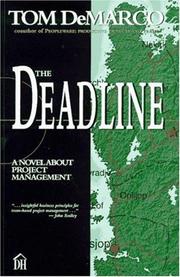
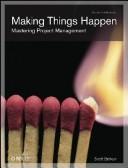
Start with The Deadline by Tom DeMarco — a novel about project management, and a painless way to absorb a dozen hard-won lessons about staffing, pressure, and productivity before you live them. Then Making Things Happen by Scott Berkun, the best single overview of the actual job: schedules, decisions, politics, and what to do when things slip. Berkun also wrote an earlier edition known as The Art of Project Management; either version gives you the same clear-eyed core.
Stage 2: The two fundamentals
Peopleware by Tom DeMarco makes the case that nearly all project problems are sociological, not technological — quiet workspaces, stable teams, and trust outperform any methodology. Pair it with Software Estimation by Steve McConnell, the antidote to fantasy schedules: ranges instead of points, cone of uncertainty, and how to say "I don't know yet" with data. Then read The Mythical Man-Month by Frederick Brooks — fifty years old and still correct that adding people to a late project makes it later. These three explain most failed projects you will ever see.
Stage 3: Methods, critically
Now the frameworks, held loosely. Scrum by Jeff Sutherland presents the case for sprints and inspection from the method's co-creator — persuasive, occasionally overclaiming, worth reading as an argument rather than scripture. Clean Agile by Robert Martin strips agile back to its original small-team intent, a useful corrective to enterprise ritual. Then Shape Up by Ryan Singer for a genuinely different model: fixed six-week appetites, variable scope, no backlog theater. Comparing the three teaches you the meta-skill — matching process to context.
Stage 4: The human edge
Radical Candor by Kim Scott covers the conversations that make or break delivery: direct feedback that still cares about the person. And Slack by Tom DeMarco closes the loop — teams run at 100% utilization can't respond to change, and building in margin is a management decision, not laziness. Somewhere in here, circle back to Brooks — the warnings about deadlines and man-months read differently once you have shipped something late yourself.
How to actually study this
After each stage, write a one-page memo applying it to a project you know: where did estimates go wrong, where was the team over-utilized, which ceremonies exist without reasons? If you're working, pick one practice per book to trial for two weeks. Judgment comes from the collision of book and reality, not from either alone.
The full sequence with study plans is the full reading path. See related topics at the subject hub, or browse all paths.
FAQ
- What is the best first book on project management?
- Making Things Happen by Scott Berkun — it covers the real job (schedules, decisions, politics) without tying you to one methodology. The Deadline is a great fiction-format companion.
- Should I learn Scrum or another method first?
- Learn the fundamentals first — people dynamics and estimation. Methods like Scrum and Shape Up make far more sense once you understand the problems they exist to solve.
- Do these books apply outside software?
- Mostly yes. Estimation under uncertainty, team dynamics, and slack apply to any project work, though the examples in this path lean toward software teams.
Get the books
- 1The DeadlineAmazon ↗Tom DeMarco
- 2Making Things HappenAmazon ↗Scott Berkun
- 3PeoplewareAmazon ↗Tom DeMarco
- 4Software EstimationAmazon ↗Steve McConnell
- 5The Mythical Man-MonthAmazon ↗Frederick P. Brooks
- 6ScrumAmazon ↗Jeff Sutherland
As an Amazon Associate we earn from qualifying purchases. Some book links are affiliate links; you pay the same price and we may earn a small commission.
Follow the full reading path

Become a great project manager
Beginner11books74 hrs4 stages
@worksherpa♥ 0
Ready to learn something deeply?
Build a reading path — free