Product management is the job nobody can quite define — no degree, no clear boundaries, and a hundred loud opinions about what it really is. That fuzziness is why reading matters more here than in most fields: the books are how you assemble a coherent practice out of the noise. The trick is order — understand the role, then how to find real problems, then how to ship, then how to think strategically.
Learn product management from books: the reading path for a fuzzy job
July 6, 2026 · 1 min read
The path, stage by stage
Our product management path is sequenced like the job itself.
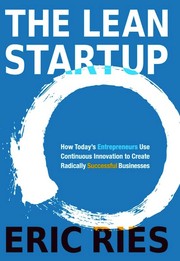
Foundations — what PM actually is. Cagan's Inspired (the modern definition of the role), Ries's The Lean Startup, and Torres's Continuous Discovery Habits. Before tactics, a clear picture of the job.
Understanding users — research and discovery. Fitzpatrick's The Mom Test (how to interview customers without fooling yourself) and Competing Against Luck (Christensen's jobs-to-be-done). Building the wrong thing well is the cardinal PM sin; this stage prevents it.
Execution — building and shipping. Escaping the Build Trap and Shape Up (Basecamp's method) — turning discovery into shipped product.
Strategy and metrics. Measure What Matters (OKRs) and Lean Analytics — thinking above the feature level.
Advanced mastery. Cagan's Empowered and Rumelt's Good Strategy, Bad Strategy — leadership and the discipline of real strategy.
The habit: write the one-pager
The core PM skill is thinking in writing. For any feature idea, write a one-page brief: the problem, who has it, the evidence, and what success looks like. If you can't fill the page, you don't understand the problem yet — which is the most useful thing the exercise can tell you.
Around 67 hours. Follow the path or browse the product management hub. It sits between UX design and startups, and leans on marketing.
FAQ
- Do I need a technical background for product management?
- Helpful but not required. Understanding how software is built earns credibility with engineers, but the core skills — discovery, prioritization, communication — are what these books teach and what the job rewards.
- Where should a new PM start?
- Inspired for the shape of the role, then The Mom Test to learn the single highest-leverage skill: talking to users without leading them. Everything else builds on those two.
Get the books
- 1InspiredAmazon ↗Marty Cagan
- 2The Lean StartupAmazon ↗Eric Ries
- 3Continuous Discovery HabitsAmazon ↗Teresa Torres
- 4The mom testAmazon ↗Rob Fitzpatrick
- 5Competing Against LuckAmazon ↗Clayton M. Christensen
- 6Escaping the Build TrapAmazon ↗Melissa Perri
As an Amazon Associate we earn from qualifying purchases. Some book links are affiliate links; you pay the same price and we may earn a small commission.
Follow the full reading path


How to learn Product management
Beginner11books67 hrs5 stages
@worksherpa♥ 0
Ready to learn something deeply?
Build a reading path — free