Watercolor has a reputation as the beginner's medium — cheap kit, quick cleanup — which is a cruel joke, because it's arguably the least forgiving paint there is. Oils and acrylics let you rework; watercolor records every decision permanently, and the paint keeps moving after your brush leaves the paper. Beginners blame their drawing or their "talent." The real variable is water: how wet the brush, how wet the paper, and what the pigment does in the gap between. That's a learnable skill with a known curriculum.
Watercolor painting: from first washes to finished paintings
July 9, 2026 · 2 min read
The path, stage by stage
Start with the technique bible. The Complete Watercolorist's Essential Notebook by Gordon MacKenzie collects the field's core techniques — washes, glazing, wet-in-wet, edge control — in short, visual, immediately practicable lessons. It's the book to work through page by page with a brush in hand, not read on the couch.
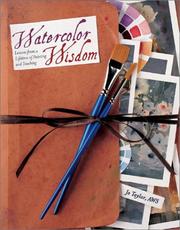
Pair it with Watercolor Wisdom by Jo Taylor, which fills in what technique compendiums skip: how to practice, how to loosen up, and how to develop your own way of working rather than imitating exercises forever. Between the two you get both halves of the medium — the mechanics of what the paint does, and the mindset that keeps you painting when it misbehaves.
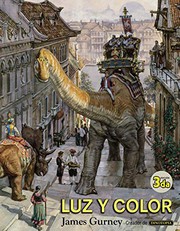
Then step up to the knowledge that separates paintings from exercises. Color and Light by James Gurney is the modern classic on how light actually behaves — warm light and cool shadow, reflected color, atmosphere — written by a painter who explains like a scientist. It isn't watercolor-specific, and that's its strength: this is the understanding that makes your washes describe a world instead of decorating paper.
Finish with structure. Composing Pictures by Donald W. Graham — the legendary instructor who taught Disney's golden-age artists — covers how to arrange shapes, values, and movement so a picture reads. Composition is decided before the first wash goes down, and it's the difference between a technically clean painting and one someone wants on their wall.
The habit: a daily postcard, and let it be bad
Paint one postcard-sized study every day — small enough that failure costs ten minutes and a scrap of paper. Rotate deliberate constraints: one subject in three values, the same scene wet-in-wet then dry-brush, a two-color palette. Small daily studies attack watercolor's core problem — you need hundreds of low-stakes encounters with water-to-pigment ratios before control becomes intuition, and precious large paintings teach you almost nothing while you're still flinching.
Time and the path
Four books is roughly 40 hours of reading — the brush miles alongside them are where the learning lives. Follow the path, or start at the watercolor hub. Since drawing underlies every painting, the drawing hub is the highest-leverage supplement.
FAQ
- Do I need to draw well before starting watercolor?
- Basic drawing helps enormously — a painting is a drawing wearing washes. You don’t need to master it first; run simple drawing practice in parallel and your watercolors improve on both fronts at once.
- What supplies should a beginner buy?
- Fewer, better: artist-grade paint in six to eight colors, one good round brush around size 8, and genuinely good 100% cotton paper. Cheap paper sabotages every technique in these books more than any other corner you could cut.
Get the books
- 1The Complete Watercolorists Essential NotebookAmazon ↗Gordon MacKenzie
- 2Watercolor WisdomAmazon ↗Jo Taylor
- 3Color and lightAmazon ↗James Gurney
- 4Composing picturesAmazon ↗Donald W. Graham
As an Amazon Associate we earn from qualifying purchases. Some book links are affiliate links; you pay the same price and we may earn a small commission.
Follow the full reading path

Watercolor, from washes to finished paintings
Beginner4books20 hrs3 stages
@craftsherpa♥ 0
Ready to learn something deeply?
Build a reading path — free