The lawn-care industry runs on a subscription model: four bags a year, forever, treating symptoms it quietly helps create. Thin turf invites weeds, weeds trigger herbicide, stressed soil needs more fertilizer, and around it goes. The homeowners who break the cycle all learn the same unglamorous truth — a lawn is a dense crop of grass plants growing in soil, and if you manage the soil and the mowing, most problems never arrive.
A better lawn without the service: the soil-first reading path
July 9, 2026 · 2 min read
The path, stage by stage
Start underground. Teaming with Microbes by Jeff Lowenfels is the book that changes the frame: soil as a living food web of bacteria, fungi, and everything that eats them, which your fertilizer habits either feed or flatten. It's the why behind every practice that follows.
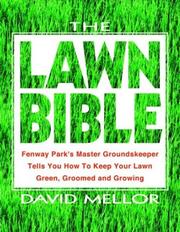
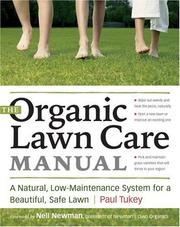
Then the two practical manuals, one from each philosophy. The Lawn Bible by David Mellor — Fenway Park's head groundskeeper — is the professional's playbook on mowing, watering, feeding, and renovation. The Organic Lawn Care Manual by Paul Boardway Tukey covers the same ground without synthetic chemistry: compost, corn gluten, overseeding, and patience. Read both; where they agree (mow high, water deep and rarely, feed the soil in fall) you've found the real fundamentals.
Stage three is the deep end, and it's worth wading in. Introduction to Turfgrass Science and Culture by James B. Beard is the university text on how grass actually grows — cool-season versus warm-season physiology explains most regional lawn advice in one stroke. Weed Science by Thomas J. Monaco turns weeds into information: every species in your lawn is reporting a condition (compaction, low mowing, thin turf) that invited it.
And for perspective, The American Lawn by Georges Teyssot examines how this odd green carpet became a national obsession — useful reading when you're deciding how much lawn you actually want, and whether some of it should become something less thirsty.
The habit: mow high, and measure it
Set the mower at three inches or higher — actually measure the cut grass, don't trust the deck dial — and never remove more than a third of the blade in one pass. Tall grass grows deeper roots, shades out germinating weeds, and needs less water; it's the single highest-leverage practice in turf, and it's free. Leave the clippings; that's a fertilizer application you didn't buy. Sharpen the mower blade once a season, too — a ragged cut browns the tips and invites disease, and it's a ten-dollar fix most services never mention.
About 60 hours of reading for a lawn that mostly takes care of itself. Follow the path, start at the lawn care hub, and if the reading convinces you to shrink the turf, the low-water landscaping hub shows what to plant instead.
FAQ
- Can I really have a good lawn without chemicals?
- Yes, though the transition takes a season or two — soil biology and dense turf have to replace what the bags were doing. Tukey’s manual maps the switch; mowing high and overseeding do most of the heavy lifting.
- When should I fertilize?
- For cool-season grasses, fall is the key feeding — it builds roots instead of just top growth. A soil test first (cheap through most extension services) tells you what your lawn actually needs, which is often less than the schedule on the bag.
Get the books
- 1Teaming with microbesAmazon ↗Jeff Lowenfels
- 2The Lawn BibleAmazon ↗David Mellor
- 3The Organic Lawn Care ManualAmazon ↗Paul Boardway Tukey
- 4The American lawnAmazon ↗Georges Teyssot
- 5Introduction to turfgrass science and cultureAmazon ↗James B. Beard
- 6Weed scienceAmazon ↗Thomas J. Monaco
As an Amazon Associate we earn from qualifying purchases. Some book links are affiliate links; you pay the same price and we may earn a small commission.
Follow the full reading path

A better lawn, no service required
Beginner6books47 hrs4 stages
Ready to learn something deeply?
Build a reading path — free