A better lawn, no service required
This curriculum takes a DIY homeowner from zero lawn knowledge to confident, season-round turf management. It begins with foundational soil and grass biology, builds into hands-on mowing, seeding, and feeding techniques, and finishes with advanced problem-solving and long-term lawn health strategy — each stage equipping the reader with the vocabulary and intuition needed for the next.
Foundations: Understanding What's Under Your Feet
BeginnerUnderstand basic soil science, grass types, and how a lawn actually grows — the mental model everything else builds on.
▸ Study plan for this stage
Pace: 3–4 weeks, ~20–25 pages/day (the book is ~220 pages); read in two passes — first for narrative flow, then re-read chapter summaries and diagrams to lock in the science
- The Soil Food Web: the interconnected community of bacteria, fungi, protozoa, nematodes, arthropods, and earthworms that drives soil health
- Bacteria vs. Fungi dominance: how the ratio of bacterial to fungal biomass determines which plants thrive — grasses prefer a bacterially-dominated soil
- Nutrient cycling through predator-prey relationships: how protozoa and nematodes eat bacteria/fungi and release plant-available nitrogen as a byproduct
- Mycorrhizal fungi: how fungal hyphae extend a grass plant's root reach and dramatically improve water and nutrient uptake
- The rhizosphere: the narrow zone immediately around roots where microbial activity is most intense and plant-microbe communication happens
- Why synthetic fertilizers and pesticides disrupt the food web: how soluble nitrogen salts and broad-spectrum chemicals kill or suppress beneficial organisms, creating dependency
- Soil structure and aggregation: how microbial glues (glomalin, bacterial biofilms) build the pore structure that controls drainage, aeration, and root penetration
- Feeding the soil, not the plant: the paradigm shift from applying nutrients directly to grass to cultivating the microbial community that makes nutrients available naturally
- What are the six major trophic levels of the soil food web, and what role does each play in making nutrients available to grass roots?
- Why do lawn grasses specifically prefer a bacterially-dominated soil, and what management practices encourage that balance?
- How does the predator-prey cycle between bacteria, protozoa, and nematodes result in nitrogen being released in a plant-available form?
- What is glomalin, and why does it matter for the physical structure of soil beneath a lawn?
- How does applying a high-nitrogen synthetic fertilizer short-circuit the soil food web, and what are the long-term consequences for lawn health?
- What conditions (compaction, pH, moisture, organic matter) favor or suppress mycorrhizal colonization of grass roots?
- Jar soil test: collect a cup of soil from your lawn, shake it in a clear jar of water, and let it settle for 24 hours — observe and sketch the distinct layers (sand, silt, clay, organic matter) to make the abstract concept of soil composition tangible
- Smell test & texture ribbon: take a handful of moist lawn soil, smell it for the earthy 'petrichor' (a sign of actinomycetes activity), then try to ribbon it between your fingers to estimate clay content — connect the physical feel to what Lowenfels says about soil structure
- Audit your current inputs: list every product you have applied to your lawn in the past year (fertilizers, herbicides, pesticides, fungicides) and, using the book's framework, classify each one as food-web-friendly, neutral, or disruptive
- Compost tea observation: brew a simple aerated compost tea for 24–48 hours and, if possible, examine a drop under a basic microscope or magnifying glass — try to identify moving organisms and relate them to the food web diagram in the book
- Draw your own food web: without looking at the book, sketch the soil food web from memory, labeling each organism group, the direction of energy flow, and the point at which nitrogen becomes plant-available — then compare to Lowenfels's diagram and note gaps
- Field comparison walk: find two nearby lawn areas — one maintained conventionally (synthetic inputs) and one organically or minimally managed — dig a small plug from each, compare earthworm counts, smell, color, and crumble texture, and write a one-page hypothesis explaining the differences using food-web language
Next up: Internalizing the soil food web gives you the biological 'why' behind every practical lawn technique — watering depth, mowing height, aeration timing, and amendment choices — so that future stages on lawn maintenance feel like logical extensions of living-system management rather than arbitrary rules.

Explains the soil food web in plain language, giving the beginner a lasting intuition for why healthy soil — not just fertilizer — drives a healthy lawn.
Core Skills: Seeding, Mowing, and Feeding
BeginnerExecute the three most impactful DIY tasks — proper mowing height and frequency, seeding and overseeding, and fertilization — with confidence.
▸ Study plan for this stage
Pace: 6–8 weeks total: Weeks 1–4 cover "The Lawn Bible" by David Mellor (~25–30 pages/day, reading focused chapters on mowing, seeding, and feeding in sequence); Weeks 5–8 cover "The Organic Lawn Care Manual" by Paul Boardway Tukey (~20–25 pages/day, with slower pacing to absorb organic product alternativ
- Mowing height rules: Mellor's 'one-third rule' — never remove more than one-third of the grass blade in a single mow — and how correct height varies by grass species (cool-season vs. warm-season turf).
- Mowing frequency and blade sharpness: how dull blades tear rather than cut, inviting disease, and why mowing frequency should follow grass growth rate rather than a fixed calendar.
- Seeding fundamentals from Mellor: seed-to-soil contact, proper seedbed preparation, seeding rates, and the critical role of moisture management during germination.
- Overseeding as a renovation tool: Tukey's organic approach to overseeding thin or bare patches, choosing regionally appropriate seed mixes, and timing relative to seasonal growth cycles.
- Fertilization basics — N-P-K ratios: what nitrogen, phosphorus, and potassium each do for turf, and how Mellor's conventional feeding schedules are structured around grass type and season.
- Tukey's soil-first fertilization philosophy: building organic matter, using compost top-dressing and slow-release organic fertilizers as alternatives to synthetic quick-release products, and why soil biology drives long-term lawn health.
- Reading a soil test: both authors emphasize testing before feeding — understanding pH, nutrient deficiencies, and how results dictate product and timing choices.
- Integrated task timing: how mowing, seeding, and feeding interact (e.g., why you avoid high-nitrogen fertilizer immediately after seeding, or why you raise mowing height during heat stress).
- According to Mellor's one-third rule, if your target mowing height for tall fescue is 3.5 inches, at what grass height should you mow, and what happens to the lawn if you wait too long and violate this rule?
- What seedbed preparation steps does Mellor recommend before seeding a bare patch, and how does Tukey's organic approach modify or complement those steps using compost?
- How do Mellor's conventional fertilization timing recommendations (e.g., fall-feeding for cool-season grasses) compare with Tukey's organic slow-release feeding schedule, and what does each approach prioritize?
- What does a basic soil test report tell you, and how would you use its results — pH, nitrogen, phosphorus, potassium levels — to decide what fertilizer to apply and when?
- Why does Tukey argue that feeding the soil microbiome (rather than feeding the grass directly) produces a more resilient lawn over time, and what practical products or practices does he recommend to do this?
- How does mowing height interact with overseeding success? What adjustments should you make to your mowing routine before and after overseeding a thin lawn?
- Mowing audit: Before your next mow, measure your current grass height with a ruler. Calculate the one-third-rule target height and set your mower deck accordingly. Inspect the cut blades afterward — are they cleanly sliced or frayed? Record your findings in a lawn journal.
- Soil test submission: Purchase an at-home or mail-in soil test kit, collect samples from 3–4 spots in your lawn following the instructions in either book, and submit them. When results arrive, annotate them using Mellor's and Tukey's guidance to draft a fertilization plan.
- Seed germination test: Place 10 seeds from a bag you own (or plan to buy) between two damp paper towels in a warm spot. Count germinated seeds after 7 and 10 days to calculate germination rate — this mirrors the seed-quality checks both authors recommend before committing to a full overseeding.
- Overseeding a test patch: Select a thin or bare 3×3 ft area, prepare the seedbed per Mellor's steps (rake, loosen soil, remove debris), overseed at the recommended rate, top-dress lightly with compost per Tukey's method, and track germination and establishment over 3–4 weeks with photos.
- Fertilizer label comparison: Visit a garden center (or browse online) and collect labels from one synthetic quick-release fertilizer and one organic slow-release fertilizer. Using both books as a guide, compare their N-P-K ratios, application rates, release timing, and any environmental cautions — write a one-page pros/cons summary.
- Seasonal task calendar: Using the timing guidance from both Mellor and Tukey, build a 12-month lawn care calendar for your specific grass type and region, blocking in mowing frequency adjustments, overseeding windows, and fertilization dates. Note where the two authors agree and where they diverge.
Next up: Mastering mowing, seeding, and feeding gives the reader a reliable maintenance rhythm, which naturally surfaces the next challenge — diagnosing why the lawn still struggles — making the transition to weed, pest, and disease identification and control both logical and motivating.
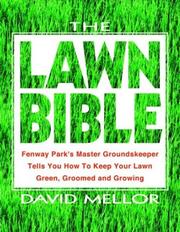
Written by a professional groundskeeper, this practical guide walks through mowing, seeding, and feeding step-by-step; it translates the science from Stage 1 into weekend-ready action.
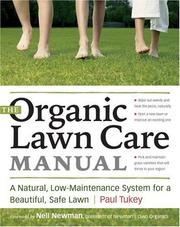
Introduces organic fertilization and amendment strategies alongside conventional ones, broadening the reader's toolkit and reinforcing why soil health (from Stage 1) directly affects feeding decisions.
Seasonal Mastery: A Year-Round Care Calendar
IntermediateBuild a season-by-season maintenance plan — spring prep, summer stress management, fall overseeding, and winter dormancy — tailored to your climate and grass type.
▸ Study plan for this stage
Pace: 2–3 weeks, ~20–25 pages/day — "The American Lawn" is a richly illustrated, essay-driven volume (~160 pages); read it in focused sittings of 30–45 minutes, pausing to annotate passages that connect lawn history to your own regional climate and grass type.
- The cultural and historical evolution of the American lawn as a social institution, and how that legacy shapes modern maintenance expectations
- The relationship between grass type (cool-season vs. warm-season) and the climatic zones that determine seasonal care windows
- Spring lawn preparation: soil awakening, dethatching, aeration, and the timing of first fertilization relative to grass type
- Summer stress management: irrigation philosophy, mowing height adjustments, and recognizing heat/drought damage before it becomes irreversible
- Fall as the most critical season for cool-season grasses — overseeding rationale, soil temperature thresholds, and recovery fertilization
- Winter dormancy: what 'dormant' actually means physiologically, how to protect turf, and why off-season decisions affect spring outcomes
- Climate-tailored care: how geography (humidity, frost dates, rainfall patterns) overrides generic calendar advice
- The tension between the idealized 'perfect lawn' aesthetic and ecologically sustainable, regionally appropriate turf management
- According to Teyssot's historical framing, how did the American lawn become a cultural obligation, and how does that pressure influence the over-application of fertilizers and pesticides today?
- How does 'The American Lawn' distinguish between the maintenance needs of cool-season grasses (e.g., Kentucky bluegrass, fescue) and warm-season grasses (e.g., Bermuda, zoysia) across the four seasons?
- What environmental and climatic signals — rather than fixed calendar dates — should trigger each major seasonal task (aeration, overseeding, dormancy prep)?
- How does Teyssot's treatment of water use and irrigation reflect the broader tension between lawn aesthetics and regional resource constraints, and what does that mean for your summer care plan?
- After reading this book, how would you design a season-by-season maintenance calendar specifically tailored to your USDA hardiness zone and dominant grass type?
- What does Teyssot suggest (directly or implicitly) about the ecological trade-offs of maintaining a traditional lawn, and how can an intermediate caretaker balance aesthetics with sustainability?
- Build your personal Lawn Care Calendar: using insights from 'The American Lawn,' create a 12-month wall calendar that maps every major task (aeration, fertilization, overseeding, mowing height changes, irrigation adjustments, dormancy prep) to your specific climate zone and grass type — annotate each entry with the environmental trigger (e.g., soil temp, frost date) rather than just a month.
- Conduct a Spring Soil Audit: perform a hands-on soil compaction test (screwdriver test) and a thatch measurement in your lawn, then compare your findings to the standards implied by Teyssot's discussion of lawn health — document what corrective actions your calendar should include.
- Summer Stress Simulation Log: over one week during the hottest part of summer, record daily mowing height, watering time/amount, and visible turf stress signs — cross-reference your observations with the summer management principles drawn from the book to identify one change you would make.
- Fall Overseeding Trial: select a thin or bare patch, prepare the seedbed using the aeration and overseeding sequence informed by your reading, and photograph progress weekly for 6 weeks — note whether soil temperature (measure it!) aligned with the thresholds discussed in the book.
- Climate Comparison Exercise: research the lawn care calendars recommended for two different U.S. climate regions (e.g., Pacific Northwest vs. Southeast) and write a one-page comparison explaining — using Teyssot's cultural and ecological framework — why the same grass species requires different seasonal timing in each region.
- Sustainability Audit: re-read Teyssot's passages on the cultural pressures of lawn perfection, then audit your own current lawn routine for inputs (water, fertilizer, pesticide) that could be reduced or replaced — produce a revised 'ecological version' of your seasonal calendar.
Next up: Mastering the season-by-season calendar in this stage gives you the temporal framework — the *when* — that makes the next stage's deeper focus on soil science, pest management, or advanced turf techniques immediately actionable rather than abstract.

Offers broader cultural and ecological context for lawn management across seasons and regions, helping the intermediate reader make smarter climate-specific decisions.
Troubleshooting and Long-Term Health
ExpertDiagnose and solve common lawn problems — weeds, pests, disease, compaction, and thatch — and design a sustainable long-term maintenance strategy.
▸ Study plan for this stage
Pace: 8–10 weeks total: Weeks 1–5 cover "Introduction to Turfgrass Science and Culture" by Beard (~25–30 pages/day, focusing on diagnostic and cultural chapters); Weeks 6–10 cover "Weed Science" by Monaco (~20–25 pages/day, with slower pacing for taxonomy and herbicide chemistry sections). Reserve the fin
- Turfgrass stress physiology: how heat, drought, traffic, and nutrient imbalances weaken turf and open the door to secondary problems (Beard)
- Soil compaction and thatch accumulation: causes, measurement, and cultural remediation methods such as core aeration and vertical mowing (Beard)
- Turfgrass diseases: pathogen life cycles, environmental triggers (humidity, temperature, mowing height), and integrated disease management (Beard)
- Insect and nematode pest identification: life-stage-specific damage symptoms and threshold-based intervention strategies (Beard)
- Long-term sustainable maintenance calendars: species-specific fertilization, irrigation scheduling, and mowing regimes calibrated to climate zone (Beard)
- Weed biology and ecology: life-cycle classifications (annual, biennial, perennial), competitive mechanisms, and how turf density suppresses weed establishment (Monaco)
- Herbicide mode of action and selectivity: pre-emergent vs. post-emergent chemistry, resistance mechanisms, and safe application windows (Monaco)
- Integrated Weed Management (IWM): combining cultural, mechanical, biological, and chemical controls to reduce long-term weed pressure without degrading turf health (Monaco)
- After reading Beard, how would you distinguish compaction-related decline from a fungal disease outbreak using only observable turf symptoms and a simple soil probe?
- Beard details several cultural practices for thatch management — what are the trade-offs between core aeration and vertical mowing, and when is each most appropriate?
- Using Beard's framework for integrated pest management, what environmental and cultural conditions would you adjust first before reaching for a chemical control for grub damage?
- Monaco classifies weeds by life cycle and growth habit — how does knowing a weed's life cycle directly determine whether a pre-emergent or post-emergent herbicide is the correct tool?
- Based on Monaco's treatment of herbicide resistance, what rotation or mixing strategies would you build into a multi-year weed management plan to prevent resistance development?
- Drawing on both Beard and Monaco together, how would you design a 12-month maintenance calendar for a cool-season lawn in a humid climate that addresses fertilization, aeration, overseeding, and weed control without scheduling conflicts between practices?
- Lawn diagnostic walk: Physically inspect a real lawn (your own or a neighbor's) and use Beard's symptom descriptions to create a written diagnostic report identifying at least three potential stressors — compaction, thatch depth, disease, or pest activity — with evidence for each conclusion.
- Thatch and compaction audit: Use a soil probe or screwdriver penetration test and a cross-section slice of turf to measure thatch depth and compaction resistance, then draft a remediation plan citing specific practices from Beard with a proposed seasonal timeline.
- Weed identification log: Collect or photograph 10 different weeds from a lawn or field, classify each by life cycle and growth habit using Monaco's taxonomy framework, and note which herbicide mode of action Monaco recommends for each.
- Herbicide label analysis: Obtain three product labels for common lawn herbicides (pre-emergent, broadleaf post-emergent, and grass-selective post-emergent) and map each active ingredient to the mode-of-action categories described by Monaco, noting any resistance-risk warnings.
- 12-month maintenance calendar: Draft a full annual lawn care calendar for a specific grass species (e.g., Kentucky bluegrass or bermudagrass) and climate zone, integrating Beard's cultural recommendations and Monaco's weed control timing windows, and flagging any practice conflicts (e.g., herbicide application near overseeding dates).
- Problem-scenario case study: Write a one-page response to a fictional scenario — e.g., 'A homeowner's tall fescue lawn has thinning patches, high crabgrass pressure, and spongy feel underfoot in summer' — prescribing a prioritized, step-by-step remediation plan grounded in specific guidance from both Beard and Monaco.
Next up: Mastering diagnosis, remediation, and long-term planning in this stage gives the reader the scientific and practical foundation needed to tackle more specialized or professional-level topics — such as sports turf management, golf course agronomy, or sustainable landscape design — where the same principles are applied at greater scale and precision.
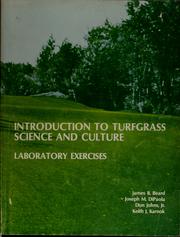
The definitive technical reference on turfgrass; now that the reader has practical experience, this book deepens understanding of grass physiology, stress responses, and cultural practices at a professional level.

Provides a rigorous, science-based framework for identifying and managing lawn weeds — the most common advanced challenge — building on the soil and plant knowledge accumulated throughout the curriculum.
Discussion
Keep reading
Paths that share books, cover the same subject, or open a related topic.