A well-designed landscape looks inevitable, as if the space could never have been arranged any other way. That ease is the product of decisions most people never notice: proportion, balance, unity, rhythm, and the honest constraints of climate, soil, and how a family actually uses its yard. Landscape design is hard to self-teach because it braids two different disciplines — the visual language of design and the biology of living, changing plants. Read in the right order, though, a handful of books will give you both.
One caveat up front: books build judgment, not experience. They cannot substitute for standing in your own yard across a full year, watching where the sun falls and the water pools. Use them to design smarter, and let the site teach you the rest.
Why order matters here
The sequence moves from seeing to planning to planting. You learn the principles that make any composition work, then the process that turns a blank site into a plan, then the plant knowledge that brings the plan to life. Skip straight to plant lists and you end up with a collection of favorite plants, not a coherent design that hangs together across the whole space.
Foundations: how gardens are composed
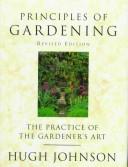
Start with The principles of gardening by Hugh Johnson. It is a broad, beautifully argued orientation to what gardens are and how they work — history, structure, and the enduring ideas behind good design — and it trains your eye before you ever pick up a pencil.
The design process
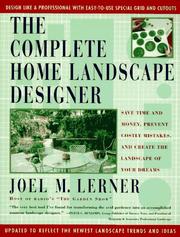
Next, learn to actually produce a plan. The essential garden design workbook by Rosemary Alexander walks through the professional process step by step: surveying the site, drawing to scale, and developing a rough concept into a working layout. Pair it with The complete home landscape designer by Joel M. Lerner, a practical, homeowner-facing guide that translates that process to a real yard and its everyday problems.
For a more technical grounding, Landscape design by Leroy G. Hannebaum covers the professional fundamentals — grading, circulation, and the systematic principles designers rely on — while Residential landscape architecture by Norman K. Booth is the standard text on designing the space around a house, from functional diagrams to finished plans. These two are denser; treat them as the reference layer beneath the friendlier workbooks rather than as places to begin.
Planting: the living layer
Only once you can shape space should you obsess over what fills it. The planting design handbook by Nick Robinson is the clearest guide to planting as design — using form, texture, and seasonal change deliberately instead of by impulse. Then read Piet Oudolf: Planting and Planting the natural garden make the case for naturalistic, structure-first planting that holds up in every season, winter included. Oudolf's work is where the technical and the beautiful finally meet.
How to actually learn this
Measure and map your site first — sun, slope, drainage, and how you move through it. Learn your regional climate and hardiness zone before choosing a single plant, because the same design thrives or dies entirely on that fit. Study yards and public gardens you admire and name what makes them work: where your eye goes first, how the space is divided, what creates enclosure or openness. Design on paper, plant in stages, and revise as the garden teaches you what it wants. Where grading, drainage, or structures are involved, consult local professionals and codes — getting water and slope wrong is expensive to undo.
Ready to begin? Follow the full reading path for the staged study plan, explore the subject hub, or browse related garden and design paths.