The standard pollinator garden is a shaken packet of "wildflower mix," a burst of first-summer color, and then a weedy patch that feeds almost nothing. People stall at this subject because they treat it as decoration with a halo, when it is really a design problem with three hard constraints: continuous bloom from spring to frost, host plants (not just nectar), and enough of each plant to be worth a forager's trip. The books on this path teach those constraints in the right order — science first, then plants, then design.
The Best Pollinator Gardening Books, in the Order to Read Them
July 9, 2026 · 2 min read
The path, stage by stage
Start with The Reason for Flowers by Stephen L. Buchmann. Understanding why flowers exist — the co-evolutionary bargain between plants and their pollinators — changes how you read every plant tag afterward. It is the difference between planting what is pretty and planting what participates.
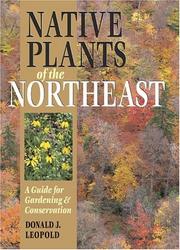
Then get regional and specific. Native Plants of the Northeast by Donald J. Leopold is the model of what a serious native-plant reference looks like: ranges, growing conditions, and wildlife value, so you choose plants your local insects actually co-evolved with. Even if you garden elsewhere, it teaches you what questions to ask of your own region's flora.
Now design. Planting in a Post-Wild World by Thomas Rainer reframes planting as layered plant communities — a ground layer doing ecological work under the showy stuff — which happens to be exactly how you get continuous bloom and dense habitat into an ordinary yard without it reading as neglect. The American Meadow Garden by John Greenlee extends the idea to grasses, the unsung matrix that holds a pollinator planting together structurally and hosts more larvae than most flowers do.
Finish with Gardening for Butterflies by Scott Hoffman Black and the Xerces Society — the practical checklist layer: host plants by butterfly, pesticide realities, and the messy-edges habits (leave the stems, skip the fall cleanup) that turn a planting into habitat.
The habit: the bloom-and-visitor log
Once a week from March to November, spend ten minutes in the garden with a notebook and write down two lists: what is blooming, and who is visiting. The gaps in the first list are your shopping list — a week with nothing in bloom is a week your garden is closed. The second list is your scoreboard, and watching it lengthen over two seasons is the most motivating feedback in gardening.
How long it takes
Five books is roughly 50 hours of reading — one winter, timed so the plant orders land before spring. Follow the path, or start at the pollinator gardening hub. Since regionally adapted natives are mostly low-water plants too, the low-water landscaping hub makes a natural companion.
FAQ
- Why is a wildflower seed mix not enough for pollinators?
- Most mixes are heavy on short-lived annuals, light on host plants, and bloom in one big midsummer pulse. Pollinators need continuous bloom across the season, larval host plants, and plant species matched to your region — which is a design job, not a packet.
- Do I need all native plants for a pollinator garden?
- Natives should be the backbone because local insects co-evolved with them — especially as larval hosts. Well-chosen non-invasive ornamentals can extend bloom at the edges of the season, and the books on this path help you make that call plant by plant.
Get the books
- 1The Reason for FlowersAmazon ↗Stephen L. Buchmann
- 2The American meadow gardenAmazon ↗John Greenlee
- 3Native Plants of the NortheastAmazon ↗Donald J. Leopold
- 4Planting in a post-wild worldAmazon ↗Rainer, Thomas (Landscape architect)
- 5Gardening for butterfliesAmazon ↗Scott Hoffman Black
As an Amazon Associate we earn from qualifying purchases. Some book links are affiliate links; you pay the same price and we may earn a small commission.
Follow the full reading path


Plant a pollinator-friendly garden
Beginner5books30 hrs3 stages
Ready to learn something deeply?
Build a reading path — free