Hydroponics promises something almost magical: fresh food grown indoors, year-round, without a patch of soil. But the beginner failure mode is predictable — someone buys an elaborate system, floods it with the wrong nutrient mix, and watches everything wilt, because hydroponics is really applied plant chemistry wearing a gardening hat. Get the water and nutrients wrong and no amount of enthusiasm saves the crop.
So the reading order runs from broad, forgiving practice toward the technical science, so you build intuition before you need the chemistry. Start at the deep end and you drown in electrical conductivity charts; start shallow and each book earns the next.
Start with small, real growing
Begin practical and low-stakes. The Edible Balcony by Alex Mitchell is a friendly guide to growing food in small spaces — not purely hydroponic, but it builds the core gardening instincts (light, water, plant needs) that everything else assumes. Then, since indoor growing lives or dies by light, read Gardening Under Lights by Leslie Halleck, a clear, science-based guide to grow lights and indoor plant care that saves you from the most common indoor mistakes.
Learn the hydroponic method itself
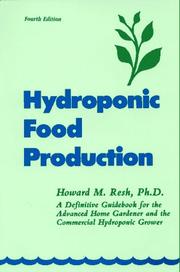
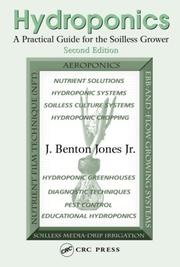
Now go soilless. Hydroponics by J. Benton Jones Jr. is an accessible, practical introduction to the actual systems, nutrients, and setups — a solid on-ramp to the discipline. Once it clicks, step up to Hydroponic Food Production by Howard Resh, widely considered the definitive technical reference on growing crops without soil. It is dense, but it is where you learn to do this properly and at scale, and reading it after the beginner books means the depth lands instead of overwhelming.
Widen the picture
Round out your understanding with context. The Year-Round Vegetable Gardener by Niki Jabbour teaches continuous harvesting through every season, a mindset that pairs naturally with controlled indoor growing. And Epic Tomatoes by Craig LeHoullier is a deep, joyful dive into growing one demanding crop well — the kind of focused mastery that teaches transferable lessons about feeding, support, and troubleshooting.
How to actually learn it
Grow something easy first. Leafy greens and herbs like lettuce and basil are fast and forgiving, and getting one crop from seed to harvest teaches more than a shelf of books. Buy a cheap EC and pH meter early and learn to read them, because nutrient balance is the whole game. Keep a simple log of what you fed, when, and how the plants responded — patterns emerge fast. And start with one small system rather than an ambitious build; scale up only once the basics are boring. Growing is a craft of observation, and the plants are the real teacher.
Ready to start growing? Follow the full reading path, explore the subject hub, or browse related gardening paths.
Ready to learn something deeply?
Build a reading path — free